EnduranceFinder
All Races
Every discipline, every distance
Marathons
26.2 miles of glory
Triathlons
Swim, bike, run
Cycling
Gran fondos & road races
Trail Running
Off-road & mountain races
Ultras
Beyond the marathon distance
Virtual Races
Race from anywhere
Popular Destinations
New YorkBostonChicagoLondonTokyoCape Town
Glossary
Endurance terms & definitions
Elite Athletes
Pro athlete profiles
Training Tips
Plans, workouts & coaching
Race Guides
Course previews & strategy
Gear Reviews
Shoes, bikes & race-day kit
Athlete Stories
Community race reports
Wisdom
Words from endurance legends
AI Discovery
How AI powers your experience
Blog
Latest from EnduranceFinder

“Somebody may beat me, but they are going to have to bleed to do it.”

— Steve Prefontaine

Language
Saved events
All RacesEvery discipline, every distance
Marathons26.2 miles of glory
TriathlonsSwim, bike, run
CyclingGran fondos & road races
Trail RunningOff-road & mountain races
UltrasBeyond the marathon distance
Virtual RacesRace from anywhere
Popular Destinations
New YorkBostonChicagoLondonTokyoCape Town
GlossaryEndurance terms & definitions
Elite AthletesPro athlete profiles
Training TipsPlans, workouts & coaching
Race GuidesCourse previews & strategy
Gear ReviewsShoes, bikes & race-day kit
Athlete StoriesCommunity race reports
WisdomWords from endurance legends
AI DiscoveryHow AI powers your experience
BlogLatest from EnduranceFinder
Iniciar sesiónRegistrarseWhy EnduranceFinder?
  • Browse All Races
  • Marathons
  • Half Marathons
  • Triathlons
  • Cycling
  • Ultras
  • Trail Running
  • Swimming
  • Obstacle Races
  • All Categories →
  • Boston
  • Chicago
  • New York City
  • San Francisco
  • Los Angeles
  • Denver / Boulder
  • Austin
  • Seattle
  • Berlin
  • London
  • Kona
  • Chamonix
  • Tokyo
  • Amsterdam
  • Todas las Ciudades →
  • For Race Directors
  • For Timing Companies
  • For Running Clubs
  • For Cycling Organizations
  • For Triathlon Clubs
  • For Trail Race Organizers
  • For Charity Races
  • For OCR & Adventure Races
  • For Swim & Open Water
  • AI Platform
  • Pricing
  • Case Studies
  • Recuperación de Carritos
  • Precios Dinámicos Inteligentes
  • Categorías de Entradas
  • Eventos Recurrentes
  • Custom Questions
  • Motor de Afiliados
  • Lista de Espera / Notificar
  • Escáner de Entradas
  • Widget Embebido
  • Sindicación de eventos
  • Integrations
  • Todas las Características →
  • About EnduranceFinder
  • Blog
  • AI Discovery
  • Training Guides
  • Race Guides
  • Help Center
  • Contact Us
  • Careers
  • Press
  • Términos de Servicio
  • Política de Privacidad

Races

  • Browse All Races
  • Marathons
  • Half Marathons
  • Triathlons
  • Cycling
  • Ultras
  • Trail Running
  • Swimming
  • Obstacle Races
  • All Categories →

Destinos

  • Boston
  • Chicago
  • New York City
  • San Francisco
  • Los Angeles
  • Denver / Boulder
  • Austin
  • Seattle
  • Berlin
  • London
  • Kona
  • Chamonix
  • Tokyo
  • Amsterdam
  • Todas las Ciudades →

Para Race directors

  • For Race Directors
  • For Timing Companies
  • For Running Clubs
  • For Cycling Organizations
  • For Triathlon Clubs
  • For Trail Race Organizers
  • For Charity Races
  • For OCR & Adventure Races
  • For Swim & Open Water
  • AI Platform
  • Pricing
  • Case Studies

Características

  • Recuperación de Carritos
  • Precios Dinámicos Inteligentes
  • Categorías de Entradas
  • Eventos Recurrentes
  • Custom Questions
  • Motor de Afiliados
  • Lista de Espera / Notificar
  • Escáner de Entradas
  • Widget Embebido
  • Sindicación de eventos
  • Integrations
  • Todas las Características →

Empresa

  • About EnduranceFinder
  • Blog
  • AI Discovery
  • Training Guides
  • Race Guides
  • Help Center
  • Contact Us
  • Careers
  • Press
  • Términos de Servicio
  • Política de Privacidad
EnduranceFinder
© 2026 EnduranceFinder. Todos los derechos reservados.
Back to Shyam Dattani
Where to Start with Shyam Dattani: A Beginner's Guide
For Beginners

Where to Start with Shyam Dattani: A Beginner's Guide

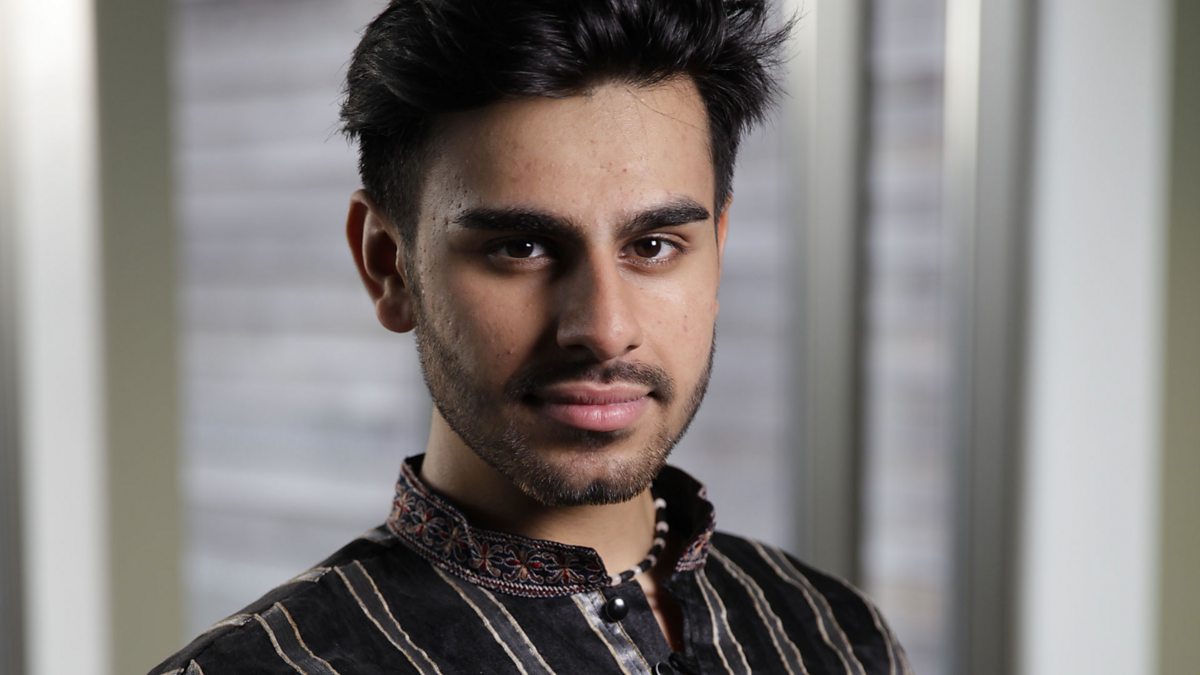
If you're new to Shyam Dattani, don't start with recordings. Start by attending a Poems of Love baithak if one is scheduled within reach.

Shyam Dattani
Shyam Dattani
Jul 18, 2026
3 min de lectura
Leer · 1 secciones

Where to Start with Shyam Dattani: A Beginner's Guide

Begin with the Room Itself

If you're new to Shyam Dattani, don't start with recordings. Start by attending a Poems of Love baithak if one is scheduled within reach. This recurring series, presented in collaboration with Aangan Studio London, is the core of Dattani's practice and the only way to understand what he's actually doing. Ghazal and thumrī weren't made for headphones or concert halls. They were made for rooms like this—intimate, unamplified, with listeners close enough to catch the grain of a voice and the space between phrases. Dattani doesn't perform these forms; he hosts the conditions they require. You'll hear other vocalists and instrumentalists alongside him, and you'll experience the baithak not as a recital but as a curated social event, a mehfil in the traditional sense. This is the entry point.

After the First Baithak

Once you've attended one gathering, return for another within the same season if possible. Baithak listening is cumulative. The first time, you're adjusting to the pace, the lack of amplification, the unfamiliar poetic forms. The second time, you start hearing how different artists handle the same tradition, how the room's attention shifts, how repetition and variation work across an evening.

Then seek out any talks or introductory sessions Dattani offers around the Poems of Love series. He occasionally frames these events with context about the baithak format, the history of ghazal and thumrī, and why spatial intimacy matters. These aren't supplementary—they're part of the work.

If live attendance isn't possible, look for documentation of past baithaks: videos, recordings, or written program notes that preserve some trace of the event. But understand that you're working with a shadow.

What to Expect

Expect slowness. Expect to feel uncertain about when to applaud or whether you're "getting it." Ghazal and thumrī are not built for instant legibility. The poetry is in Urdu; the vocal ornamentation can seem elusive if you're used to Western melody. You may spend the first twenty minutes wondering if you're in the right place.

Then something shifts. A phrase repeats with a slight inflection. A word lingers. The room's silence becomes part of the music. You realize you're not listening for climax or resolution but for the way a single line gets turned over, examined, savored. This is normal. Let it happen.

Common Misunderstandings

Beginners often assume Dattani is a solo performer promoting his own singing. He's not. He's a curator and host whose own voice is one thread in a larger practice. The baithak is the art form; he's building the frame.

Others treat these events as ambient background for socializing. They're not. The baithak asks for focused, sustained attention—not rigidly, but genuinely. It's closer to chamber music than to a dinner party.

Some expect translations or explanations during the performance. You won't get them. The poetry works through sound, repetition, and affect as much as literal meaning. Trust the music to teach you.

When This Work Lands

Dattani's practice tends to matter most when you're hungry for a different quality of time. It finds people in moments of transition—after years in loud venues, after burnout from algorithmically served music, when you're craving art that doesn't perform urgency. It also resonates if you're learning to listen to poetry in languages you don't fully speak, or if you're interested in how form and venue co-constitute each other.

A One-Week Starter Plan

Day 1: Read about the baithak and mehfil traditions. Understand that ghazal and thumrī are not "classical music" in the Western sense but poetry-centered, semi-improvised forms.

Day 2–3: Listen to canonical ghazal singers (Mehdi Hassan, Begum Akhtar) to get a sense of the tradition Dattani works within.

Day 4: Research upcoming Poems of Love events. Mark the calendar.

Day 5–6: If videos or recordings from past baithaks exist, watch one in full without multitasking.

Day 7: Commit to attending the next live event. Arrive early. Sit close.
Shyam Dattani
AboutShyam Dattani

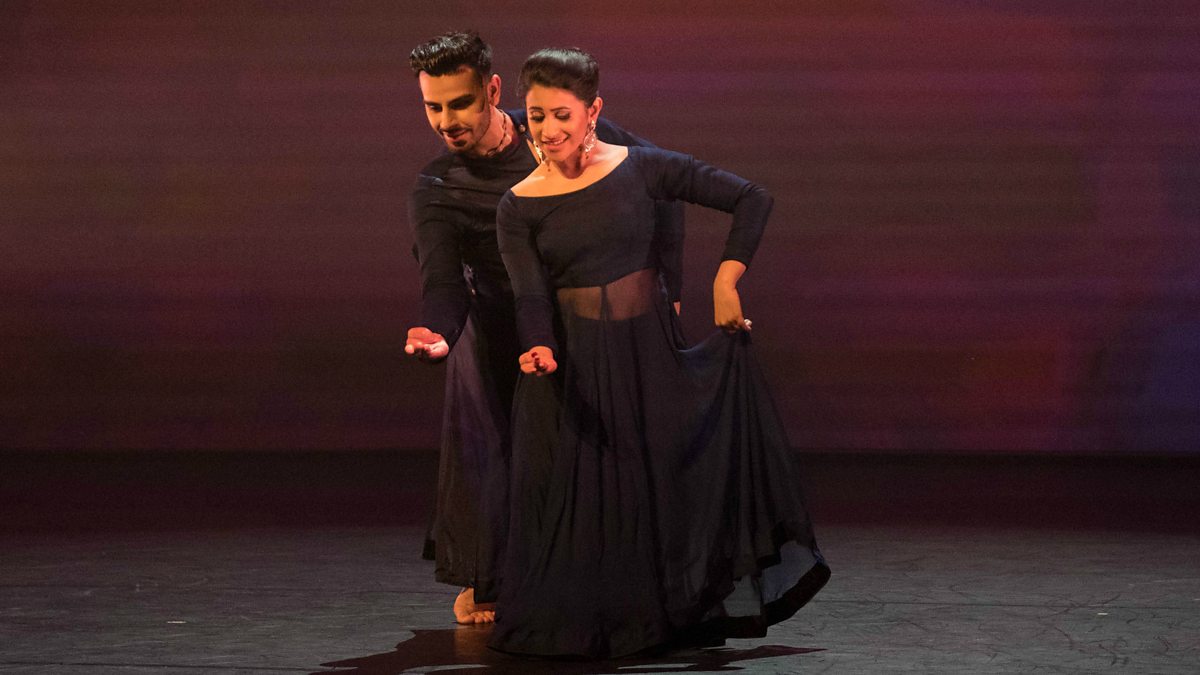
Shyam Dattani is a classical Indian vocalist specializing in ghazal and thumrī, performed in the intimate baithak format. He hosts the Poems of Love series in collaboration with Aa…

Ver perfil

Seguir leyendo

More about Shyam Dattani

Ver Todo
Who Is Shyam Dattani? Life, Work, and Legacy
Artículo

Who Is Shyam Dattani? Life, Work, and Legacy

Essential Shyam Dattani Albums: A Listening Guide
Artículo

Essential Shyam Dattani Albums: A Listening Guide

The Music of Shyam Dattani: Sound, Sacred Texture, and Lineage
Artículo

The Music of Shyam Dattani: Sound, Sacred Texture, and Lineage

Sigue explorando

Continúa tu camino

Más sabiduría y encuentros de todo el directorio de BrightStar.

Más artículos

Recorre la biblioteca completa de enseñanzas, entrevistas y guías.

Ver todos los artículos →

Maestros y artistas

Explora los linajes, músicos y guías del mundo consciente.

Explorar artistas →

Encuentra un evento

Kirtan, retiros, baños de sonido, breathwork, festivales — muy pronto.

Ver eventos →