EnduranceFinder
All Races
Every discipline, every distance
Marathons
26.2 miles of glory
Triathlons
Swim, bike, run
Cycling
Gran fondos & road races
Trail Running
Off-road & mountain races
Ultras
Beyond the marathon distance
Virtual Races
Race from anywhere
Popular Destinations
New YorkBostonChicagoLondonTokyoCape Town
Glossary
Endurance terms & definitions
Elite Athletes
Pro athlete profiles
Training Tips
Plans, workouts & coaching
Race Guides
Course previews & strategy
Gear Reviews
Shoes, bikes & race-day kit
Athlete Stories
Community race reports
Wisdom
Words from endurance legends
AI Discovery
How AI powers your experience
Blog
Latest from EnduranceFinder

“I tell our runners to divide the race into thirds. Run the first part with your head, the middle part with your personality, and the last part with your heart.”

— Mike Fanelli

Language
Saved events
All RacesEvery discipline, every distance
Marathons26.2 miles of glory
TriathlonsSwim, bike, run
CyclingGran fondos & road races
Trail RunningOff-road & mountain races
UltrasBeyond the marathon distance
Virtual RacesRace from anywhere
Popular Destinations
New YorkBostonChicagoLondonTokyoCape Town
GlossaryEndurance terms & definitions
Elite AthletesPro athlete profiles
Training TipsPlans, workouts & coaching
Race GuidesCourse previews & strategy
Gear ReviewsShoes, bikes & race-day kit
Athlete StoriesCommunity race reports
WisdomWords from endurance legends
AI DiscoveryHow AI powers your experience
BlogLatest from EnduranceFinder
AnmeldenRegistrierenWhy EnduranceFinder?
  • Browse All Races
  • Marathons
  • Half Marathons
  • Triathlons
  • Cycling
  • Ultras
  • Trail Running
  • Swimming
  • Obstacle Races
  • All Categories →
  • Boston
  • Chicago
  • New York City
  • San Francisco
  • Los Angeles
  • Denver / Boulder
  • Austin
  • Seattle
  • Berlin
  • London
  • Kona
  • Chamonix
  • Tokyo
  • Amsterdam
  • Alle Städte →
  • For Race Directors
  • For Timing Companies
  • For Running Clubs
  • For Cycling Organizations
  • For Triathlon Clubs
  • For Trail Race Organizers
  • For Charity Races
  • For OCR & Adventure Races
  • For Swim & Open Water
  • AI Platform
  • Pricing
  • Case Studies
  • Warenkorbabbruch-Wiederherstellung
  • Intelligente dynamische Preisgestaltung
  • Ticket-Kategorien
  • Wiederkehrende Veranstaltungen
  • Custom Questions
  • Affiliate-System
  • Warteliste / Benachrichtigen
  • Ticket-Scanner
  • Einbettungs-Widget
  • Event-Syndication
  • Integrations
  • Alle Funktionen →
  • About EnduranceFinder
  • Blog
  • AI Discovery
  • Training Guides
  • Race Guides
  • Help Center
  • Contact Us
  • Careers
  • Press
  • Nutzungsbedingungen
  • Datenschutzrichtlinie

Races

  • Browse All Races
  • Marathons
  • Half Marathons
  • Triathlons
  • Cycling
  • Ultras
  • Trail Running
  • Swimming
  • Obstacle Races
  • All Categories →

Reiseziele

  • Boston
  • Chicago
  • New York City
  • San Francisco
  • Los Angeles
  • Denver / Boulder
  • Austin
  • Seattle
  • Berlin
  • London
  • Kona
  • Chamonix
  • Tokyo
  • Amsterdam
  • Alle Städte →

Für Race directors

  • For Race Directors
  • For Timing Companies
  • For Running Clubs
  • For Cycling Organizations
  • For Triathlon Clubs
  • For Trail Race Organizers
  • For Charity Races
  • For OCR & Adventure Races
  • For Swim & Open Water
  • AI Platform
  • Pricing
  • Case Studies

Funktionen

  • Warenkorbabbruch-Wiederherstellung
  • Intelligente dynamische Preisgestaltung
  • Ticket-Kategorien
  • Wiederkehrende Veranstaltungen
  • Custom Questions
  • Affiliate-System
  • Warteliste / Benachrichtigen
  • Ticket-Scanner
  • Einbettungs-Widget
  • Event-Syndication
  • Integrations
  • Alle Funktionen →

Unternehmen

  • About EnduranceFinder
  • Blog
  • AI Discovery
  • Training Guides
  • Race Guides
  • Help Center
  • Contact Us
  • Careers
  • Press
  • Nutzungsbedingungen
  • Datenschutzrichtlinie
EnduranceFinder
© 2026 EnduranceFinder. Alle Rechte vorbehalten.
Back to Ani Choying Drolma
Where to Start with Ani Choying Drolma: A Beginner's Guide
For Beginners

Where to Start with Ani Choying Drolma: A Beginner's Guide

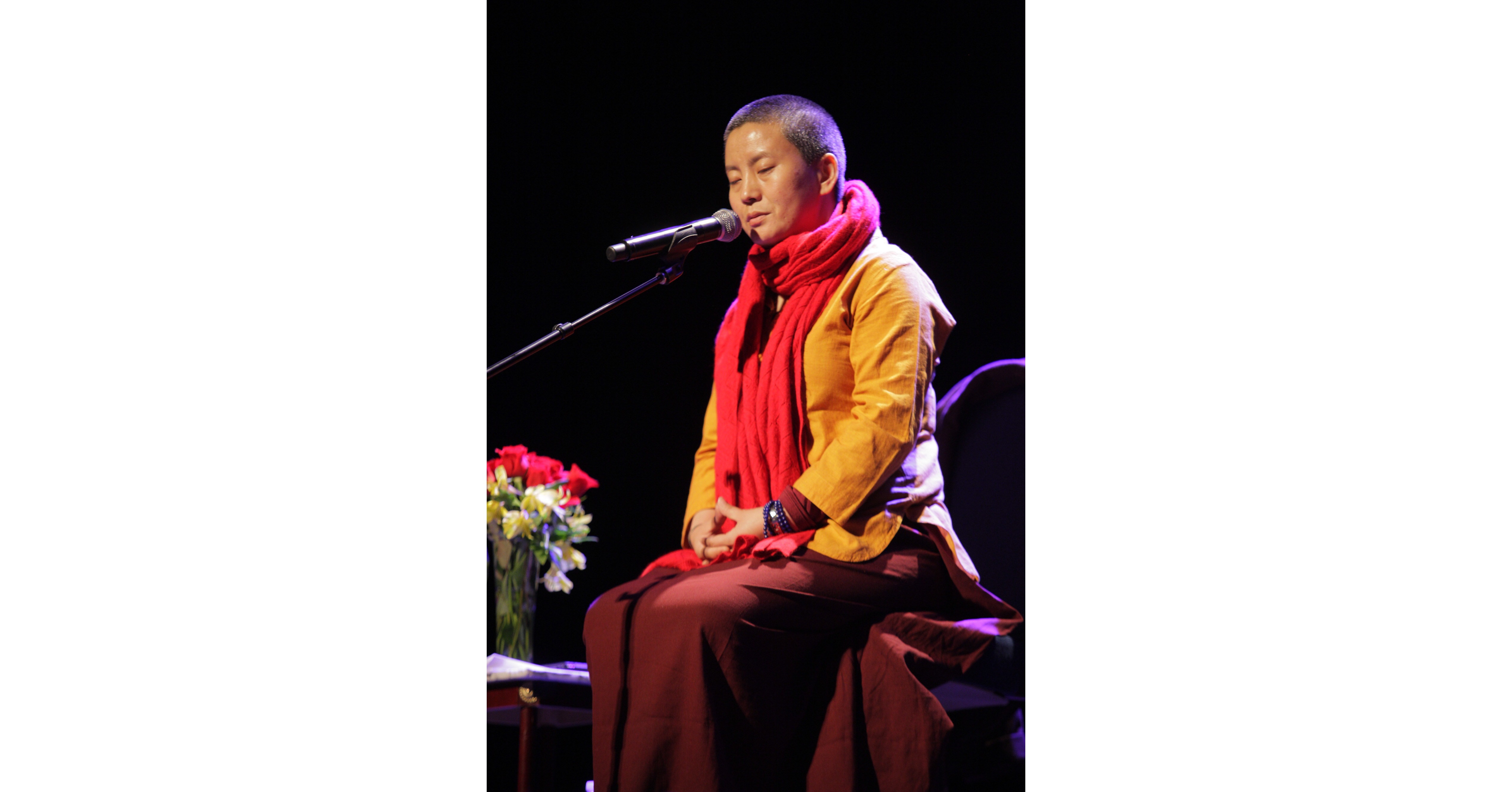
Start with a live performance video if you can find one. Look for recordings where she performs "Tara Mantra" in a monastery or concert setting—these clips show what makes her work distinct before you encounter her on an album.

Ani Choying Drolma
Ani Choying Drolma
Jul 18, 2026
3 Min. Lesezeit
Lesen · 1 Abschnitte

Where to Start with Ani Choying Drolma: A Beginner's Guide

Begin with Her Voice in Context

Start with a live performance video if you can find one. Look for recordings where she performs "Tara Mantra" in a monastery or concert setting—these clips show what makes her work distinct before you encounter her on an album. You'll see the singing bowls, the stillness between phrases, and the way audiences sit in silence rather than applaud mid-song. This fifteen-minute glimpse will tell you whether you're approaching devotional practice that happens to be recorded, or a performance you can consume casually.

If video isn't available, her early recordings from the late 1990s with guitarist Steve Tibbetts serve as the proper entry point. These albums capture the transition moment when liturgical music left the meditation hall without abandoning its function. Tibbetts doesn't reimagine the chants; he frames them, letting her voice remain unornamented while adding spatial depth.

After That First Encounter

Once you've heard the core repertoire, move to recordings focused specifically on Tara devotional chants. These form the heart of her musical practice—the female bodhisattva of compassion whose mantras Ani Choying has recited daily for decades. The melodic patterns repeat, intentionally. You're not listening for variety but for the quality of attention she brings to each iteration.

Third, seek out any talks or interviews where she discusses the relationship between her monastic vows and her recording career. Understanding this tension—how she maintains ritual function while performing on stages—clarifies why her work sounds different from "world music" adaptations of sacred traditions. She's not translating for Western audiences; she's allowing others to witness what already exists.

What You'll Actually Hear

Expect slowness. Expect repetition. Her voice is technically a clear soprano, but what you're hearing is the result of recitation practice, not operatic training. The melodies follow liturgical requirements, not aesthetic ones. Singing bowls and damaru drums provide texture, not rhythm. There are long silences. The texts are in Sanskrit and Tibetan, and she doesn't alter phonetics for accessibility.

Many first-time listeners mistake this for "relaxation music" or background ambiance. It's not. These are functional prayers preserved in their working form.

Common Misunderstandings

Beginners often assume Ani Choying created or composed these chants. She didn't. She's a custodian of the Tibetan Buddhist canon, performing texts centuries old. The credit belongs to lineage, not individual authorship.

Others treat her recordings as meditation aids designed for secular stress relief. While the music functions meditatively, it was never composed for that purpose. You're overhearing monastic practice, not receiving a product made for you.

Some listeners expect emotional catharsis or vocal dramatics. Her delivery is intentionally even, preserving the contemplative container rather than highlighting personal expression.

When This Lands Hardest

This work finds people during transitions requiring sustained attention without guaranteed resolution: chronic illness, caregiving, grief that won't resolve quickly, spiritual questioning that can't be answered in a weekend workshop. It also reaches those who've exhausted high-stimulation approaches to contemplative practice and need something structurally simple enough to return to daily.

Her music rewards commitment over intensity. It's for moments when you need practice, not peak experience.

A One-Week Starter Plan

Days 1-2: Listen to one Tara mantra recording each morning. Don't multitask. Notice when your attention wanders.

Days 3-4: Same recording, but read about Tara's role in Vajrayana Buddhism first. Let context inform what you're hearing.

Day 5: Listen to a different chant from her repertoire. Note what remains consistent across different texts.

Day 6: Return to the first Tara mantra. See what's changed in your listening after a week.

Day 7: Sit in silence for the same duration you've been listening. Notice what the music taught your attention to do.

If you're still interested after this week, you're ready for the decades-long relationship this work actually asks for.
Ani Choying Drolma
AboutAni Choying Drolma

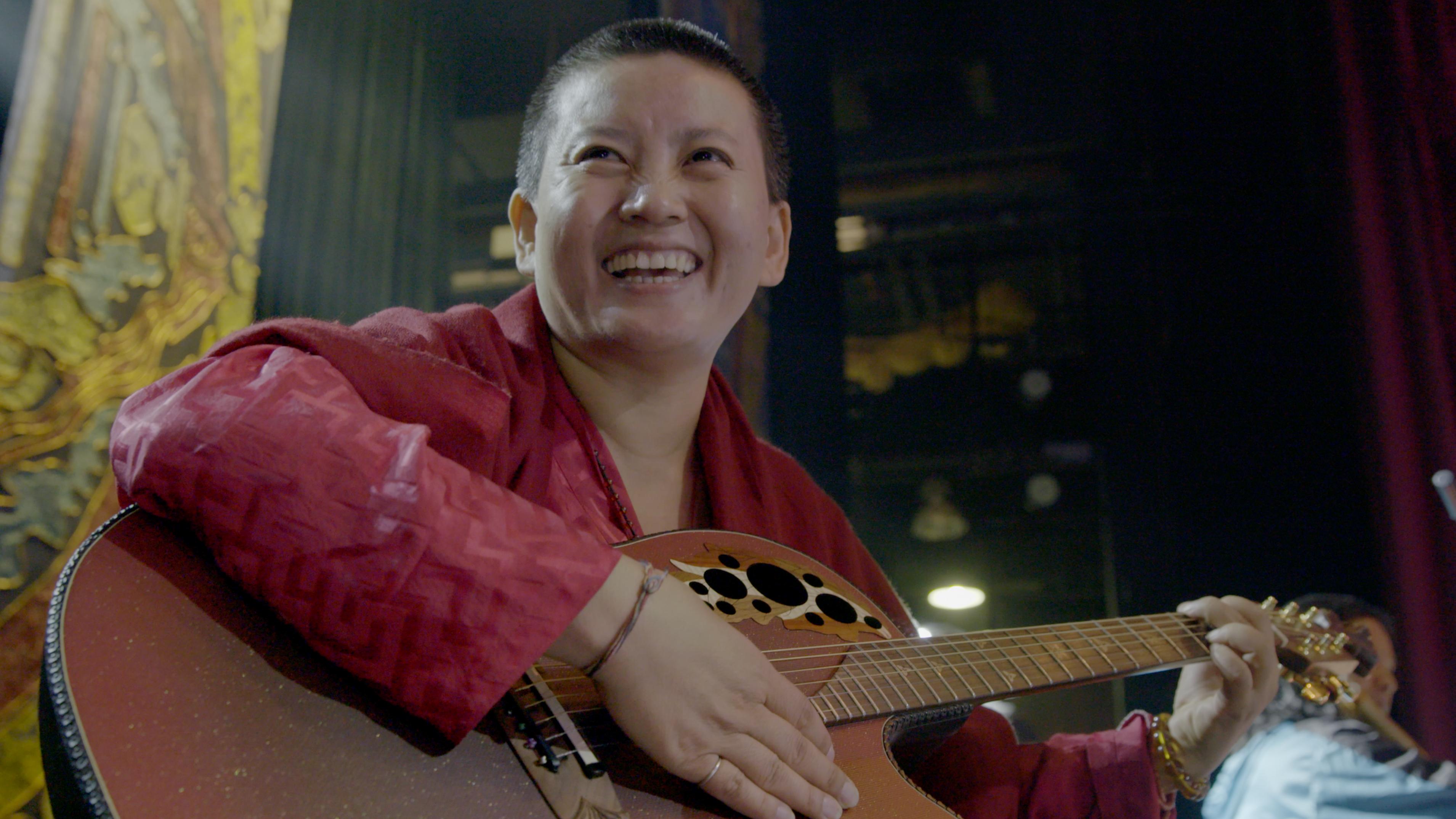
Ani Choying Drolma is a Nepalese Buddhist nun whose recordings of Tibetan sacred chants have reached audiences across five continents. She combines monastic life at Nagi Gompa with…

Profil ansehen

Weiterlesen

More about Ani Choying Drolma

Alle anzeigen
The Music of Ani Choying Drolma: Sound, Sacred Texture, and Lineage
Artikel

The Music of Ani Choying Drolma: Sound, Sacred Texture, and Lineage

Who Is Ani Choying Drolma? Life, Work, and Legacy
Artikel

Who Is Ani Choying Drolma? Life, Work, and Legacy

Essential Ani Choying Drolma Albums: A Listening Guide
Artikel

Essential Ani Choying Drolma Albums: A Listening Guide

Weiter erkunden

Setze deinen Weg fort

Mehr Weisheit und Zusammenkünfte aus dem BrightStar-Verzeichnis.

Mehr Artikel

Durchstöbere die ganze Bibliothek an Lehren, Interviews und Leitfäden.

Zu allen Artikeln →

Lehrer & Künstler

Entdecke die Linien, Musiker und Wegbegleiter der bewussten Welt.

Künstler erkunden →

Event finden

Kirtan, Retreats, Klangbäder, Atemarbeit, Festivals — bald in deiner Nähe.

Events ansehen →