EnduranceFinder
All Races
Every discipline, every distance
Marathons
26.2 miles of glory
Triathlons
Swim, bike, run
Cycling
Gran fondos & road races
Trail Running
Off-road & mountain races
Ultras
Beyond the marathon distance
Virtual Races
Race from anywhere
Popular Destinations
New YorkBostonChicagoLondonTokyoCape Town
Glossary
Endurance terms & definitions
Elite Athletes
Pro athlete profiles
Training Tips
Plans, workouts & coaching
Race Guides
Course previews & strategy
Gear Reviews
Shoes, bikes & race-day kit
Athlete Stories
Community race reports
Wisdom
Words from endurance legends
AI Discovery
How AI powers your experience
Blog
Latest from EnduranceFinder

“Swim 2.4 miles, bike 112 miles, run 26.2 miles — brag for the rest of your life.”

— Ironman Motto

Language
Saved events
All RacesEvery discipline, every distance
Marathons26.2 miles of glory
TriathlonsSwim, bike, run
CyclingGran fondos & road races
Trail RunningOff-road & mountain races
UltrasBeyond the marathon distance
Virtual RacesRace from anywhere
Popular Destinations
New YorkBostonChicagoLondonTokyoCape Town
GlossaryEndurance terms & definitions
Elite AthletesPro athlete profiles
Training TipsPlans, workouts & coaching
Race GuidesCourse previews & strategy
Gear ReviewsShoes, bikes & race-day kit
Athlete StoriesCommunity race reports
WisdomWords from endurance legends
AI DiscoveryHow AI powers your experience
BlogLatest from EnduranceFinder
Iniciar sesiónRegistrarseWhy EnduranceFinder?
  • Browse All Races
  • Marathons
  • Half Marathons
  • Triathlons
  • Cycling
  • Ultras
  • Trail Running
  • Swimming
  • Obstacle Races
  • All Categories →
  • Boston
  • Chicago
  • New York City
  • San Francisco
  • Los Angeles
  • Denver / Boulder
  • Austin
  • Seattle
  • Berlin
  • London
  • Kona
  • Chamonix
  • Tokyo
  • Amsterdam
  • Todas las Ciudades →
  • For Race Directors
  • For Timing Companies
  • For Running Clubs
  • For Cycling Organizations
  • For Triathlon Clubs
  • For Trail Race Organizers
  • For Charity Races
  • For OCR & Adventure Races
  • For Swim & Open Water
  • AI Platform
  • Pricing
  • Case Studies
  • Recuperación de Carritos
  • Precios Dinámicos Inteligentes
  • Categorías de Entradas
  • Eventos Recurrentes
  • Custom Questions
  • Motor de Afiliados
  • Lista de Espera / Notificar
  • Escáner de Entradas
  • Widget Embebido
  • Sindicación de eventos
  • Integrations
  • Todas las Características →
  • About EnduranceFinder
  • Blog
  • AI Discovery
  • Training Guides
  • Race Guides
  • Help Center
  • Contact Us
  • Careers
  • Press
  • Términos de Servicio
  • Política de Privacidad

Races

  • Browse All Races
  • Marathons
  • Half Marathons
  • Triathlons
  • Cycling
  • Ultras
  • Trail Running
  • Swimming
  • Obstacle Races
  • All Categories →

Destinos

  • Boston
  • Chicago
  • New York City
  • San Francisco
  • Los Angeles
  • Denver / Boulder
  • Austin
  • Seattle
  • Berlin
  • London
  • Kona
  • Chamonix
  • Tokyo
  • Amsterdam
  • Todas las Ciudades →

Para Race directors

  • For Race Directors
  • For Timing Companies
  • For Running Clubs
  • For Cycling Organizations
  • For Triathlon Clubs
  • For Trail Race Organizers
  • For Charity Races
  • For OCR & Adventure Races
  • For Swim & Open Water
  • AI Platform
  • Pricing
  • Case Studies

Características

  • Recuperación de Carritos
  • Precios Dinámicos Inteligentes
  • Categorías de Entradas
  • Eventos Recurrentes
  • Custom Questions
  • Motor de Afiliados
  • Lista de Espera / Notificar
  • Escáner de Entradas
  • Widget Embebido
  • Sindicación de eventos
  • Integrations
  • Todas las Características →

Empresa

  • About EnduranceFinder
  • Blog
  • AI Discovery
  • Training Guides
  • Race Guides
  • Help Center
  • Contact Us
  • Careers
  • Press
  • Términos de Servicio
  • Política de Privacidad
EnduranceFinder
© 2026 EnduranceFinder. Todos los derechos reservados.
Back to Robert Thurman
Where to Start with Robert Thurman: A Beginner's Guide
For Beginners

Where to Start with Robert Thurman: A Beginner's Guide

Begin with Tibet House US YouTube talks. Specifically, search for his introductory lectures on the stages of the path (lamrim) or his explanations of emptiness.

Robert Thurman
Robert Thurman
Jul 18, 2026
3 min de lectura
Leer · 5 secciones

Where to Start with Robert Thurman: A Beginner's Guide

Begin with Tibet House US YouTube talks. Specifically, search for his introductory lectures on the stages of the path (lamrim) or his explanations of emptiness. These free talks, typically 60-90 minutes, capture Thurman at his best: erudite yet conversational, weaving ancient Buddhist philosophy with references to quantum physics, Western psychology, and contemporary politics. You'll encounter a scholar who treats the Dalai Lama as both spiritual teacher and intellectual peer, translating texts live while peppering commentary with Sanskrit terms and humor. The video format also lets you adjust to his distinctive teaching energy—he's animated, sometimes digressive, always enthusiastic.

After initial videos, attend a Tibet House US event or online course. These range from weekend intensives on specific practices like Vajra Yoga to longer series exploring Pure Land Buddhism or Dzogchen teachings. Thurman works across Tibetan lineages (Gelug, Nyingma, and others) rather than representing a single school, so these structured programs show how he synthesizes traditions. You'll get exposure to actual contemplative techniques, not just philosophy.

Then explore Menla Mountain Retreat Center programming if you want practice-oriented immersion. Located in the Catskills, Menla hosts extended retreats where Thurman teaches meditation, yoga, and textual study in combination. This is where intellectual understanding meets embodied practice. The environment supports deeper inquiry than single lectures allow.

What to Expect

Thurman doesn't simplify Buddhism for Western consumption—he complexifies it with excitement. Expect dense philosophical concepts presented as liberating rather than burdensome: emptiness as infinite possibility, karma as neuroplasticity, nirvana as radical freedom available now. His teaching style assumes intelligence in his audience. He'll reference Nagarjuna's logic, pause to debate a translation choice, then connect it to environmental activism or neuroscience. The pace is swift. The mood is optimistic, even urgent—he genuinely believes these teachings address civilizational crisis.

Common Misunderstandings

Beginners often mistake Thurman's scholarly approach for purely intellectual. He's not offering Buddhism as philosophy alone; the contemplative practices are central, even when not explicit in every talk. His detailed textual work serves direct realization, not academic exercise.

His cross-lineage teaching confuses those expecting a single tradition. Thurman presents Tibetan Buddhism as a unified project rather than competing schools. This synthesizing approach reflects his training and the Dalai Lama's ecumenical stance, but newcomers sometimes want clearer lineage boundaries.

His optimism about enlightenment reads as naive to skeptics. Thurman insists buddhahood is achievable, not metaphorical—this can seem grandiose until you understand he's transmitting traditional Mahayana confidence, not personal fantasy.

When This Lands Hardest

Thurman's teachings hit differently at specific life junctures. Mid-life crises of meaning respond to his reframing of existence as opportunity rather than burden. Politically exhausted activists find resources in his integration of inner transformation with social engagement. Intellectuals suspicious of "mere belief" appreciate the philosophical rigor—here's Buddhism that doesn't ask you to turn off critical thinking. Those facing mortality or serious illness encounter his teachings on death, bardo, and rebirth as practical preparation rather than consolation.

One-Week Starter Plan

Day 1-2: Watch two Tibet House US YouTube talks—one on emptiness, one on compassion or bodhichitta. Take notes on unfamiliar terms.

Day 3: Read background on Tibetan Buddhism's four schools and the historical Buddha. Context helps Thurman's references land.

Day 4-5: Watch a longer teaching (2+ hours) on a specific practice like tonglen or analytical meditation. Try the technique for 10 minutes daily.

Day 6: Explore Tibet House US's website and upcoming programs. Note which topics most intrigue you—Dzogchen's non-dual awareness? Pure Land's devotional path? Vajra Yoga's tantric approach?

Day 7: Begin a simple daily practice: 5 minutes calming meditation, 10 minutes contemplating a concept from the week (impermanence, emptiness, compassion). Write reflections.

This week won't make you a Buddhist—it introduces you to a scholar-practitioner who spent five decades making Tibetan wisdom accessible without dilution. Whether you continue depends on your hunger for philosophically sophisticated, practice-grounded teaching that insists enlightenment isn't metaphor but possibility.
Robert Thurman
AboutRobert Thurman

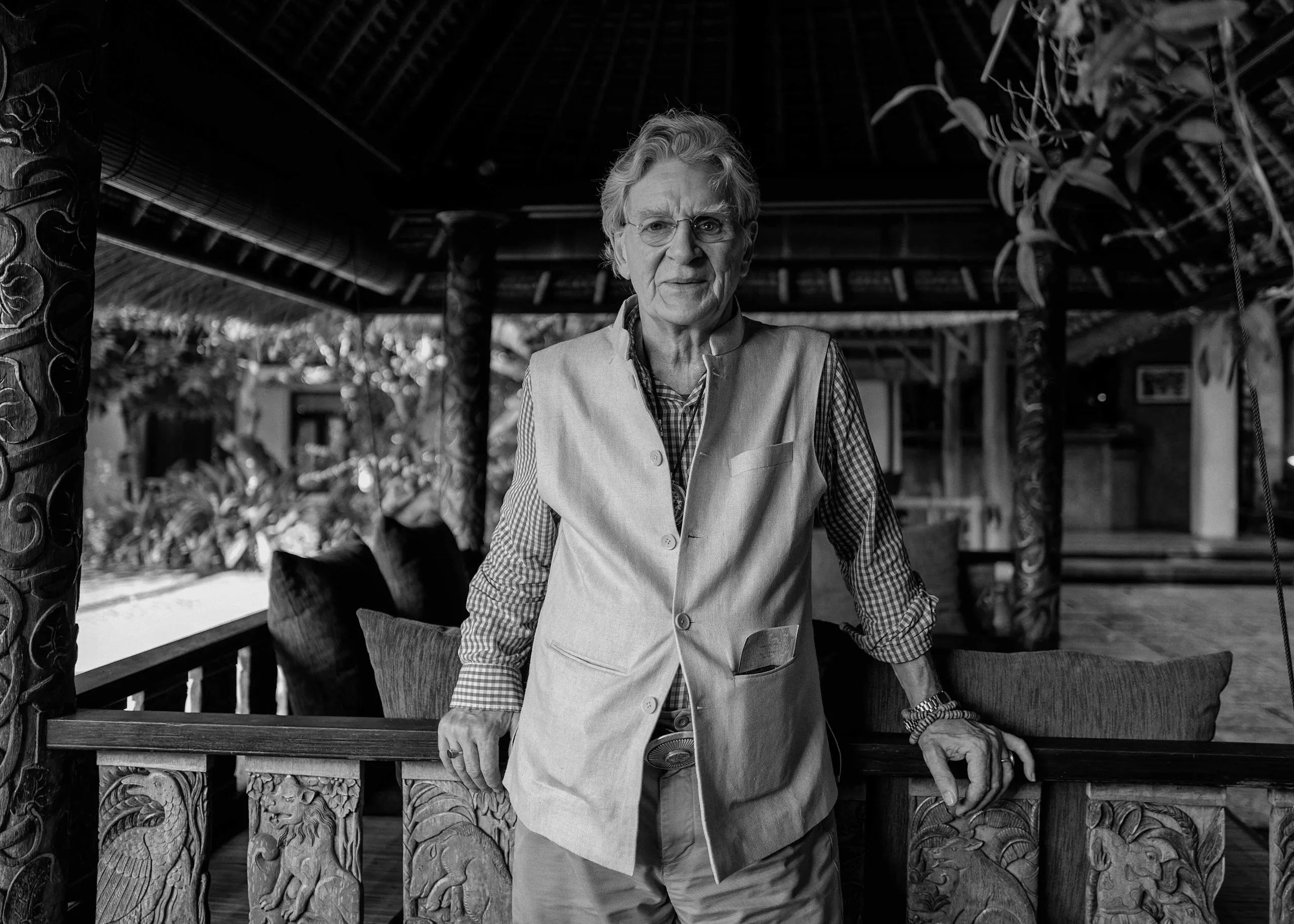
Robert A.F. Thurman is a Buddhist scholar, author, and activist who co-founded Tibet House US and serves as one of the leading interpreters of Tibetan Buddhism in the West. A lifel…

Ver perfilSitio web

Seguir leyendo

More about Robert Thurman

Ver Todo
Who Is Robert Thurman? Life, Work, and Legacy
Artículo

Who Is Robert Thurman? Life, Work, and Legacy

Robert Thurman's Teaching: Approach, Method, and Voice
Artículo

Robert Thurman's Teaching: Approach, Method, and Voice

Sigue explorando

Continúa tu camino

Más sabiduría y encuentros de todo el directorio de BrightStar.

Más artículos

Recorre la biblioteca completa de enseñanzas, entrevistas y guías.

Ver todos los artículos →

Maestros y artistas

Explora los linajes, músicos y guías del mundo consciente.

Explorar artistas →

Encuentra un evento

Kirtan, retiros, baños de sonido, breathwork, festivales — muy pronto.

Ver eventos →