EnduranceFinder
All Races
Every discipline, every distance
Marathons
26.2 miles of glory
Triathlons
Swim, bike, run
Cycling
Gran fondos & road races
Trail Running
Off-road & mountain races
Ultras
Beyond the marathon distance
Virtual Races
Race from anywhere
Popular Destinations
New YorkBostonChicagoLondonTokyoCape Town
Glossary
Endurance terms & definitions
Elite Athletes
Pro athlete profiles
Training Tips
Plans, workouts & coaching
Race Guides
Course previews & strategy
Gear Reviews
Shoes, bikes & race-day kit
Athlete Stories
Community race reports
Wisdom
Words from endurance legends
AI Discovery
How AI powers your experience
Blog
Latest from EnduranceFinder

“Run when you can, walk if you have to, crawl if you must; just never give up.”

— Dean Karnazes

Language
Saved events
All RacesEvery discipline, every distance
Marathons26.2 miles of glory
TriathlonsSwim, bike, run
CyclingGran fondos & road races
Trail RunningOff-road & mountain races
UltrasBeyond the marathon distance
Virtual RacesRace from anywhere
Popular Destinations
New YorkBostonChicagoLondonTokyoCape Town
GlossaryEndurance terms & definitions
Elite AthletesPro athlete profiles
Training TipsPlans, workouts & coaching
Race GuidesCourse previews & strategy
Gear ReviewsShoes, bikes & race-day kit
Athlete StoriesCommunity race reports
WisdomWords from endurance legends
AI DiscoveryHow AI powers your experience
BlogLatest from EnduranceFinder
ConnexionS'inscrireWhy EnduranceFinder?
  • Browse All Races
  • Marathons
  • Half Marathons
  • Triathlons
  • Cycling
  • Ultras
  • Trail Running
  • Swimming
  • Obstacle Races
  • All Categories →
  • Boston
  • Chicago
  • New York City
  • San Francisco
  • Los Angeles
  • Denver / Boulder
  • Austin
  • Seattle
  • Berlin
  • London
  • Kona
  • Chamonix
  • Tokyo
  • Amsterdam
  • Toutes les villes →
  • For Race Directors
  • For Timing Companies
  • For Running Clubs
  • For Cycling Organizations
  • For Triathlon Clubs
  • For Trail Race Organizers
  • For Charity Races
  • For OCR & Adventure Races
  • For Swim & Open Water
  • AI Platform
  • Pricing
  • Case Studies
  • Récupération des paniers abandonnés
  • Tarification dynamique intelligente
  • Catégories de billets
  • Événements récurrents
  • Custom Questions
  • Système d'affiliation
  • Liste d'attente / Notifier
  • Scanner de billets
  • Widget intégrable
  • Diffusion d'événements
  • Integrations
  • Toutes les fonctionnalités →
  • About EnduranceFinder
  • Blog
  • AI Discovery
  • Training Guides
  • Race Guides
  • Help Center
  • Contact Us
  • Careers
  • Press
  • Conditions d'utilisation
  • Politique de confidentialité

Races

  • Browse All Races
  • Marathons
  • Half Marathons
  • Triathlons
  • Cycling
  • Ultras
  • Trail Running
  • Swimming
  • Obstacle Races
  • All Categories →

Destinations

  • Boston
  • Chicago
  • New York City
  • San Francisco
  • Los Angeles
  • Denver / Boulder
  • Austin
  • Seattle
  • Berlin
  • London
  • Kona
  • Chamonix
  • Tokyo
  • Amsterdam
  • Toutes les villes →

Pour Race directors

  • For Race Directors
  • For Timing Companies
  • For Running Clubs
  • For Cycling Organizations
  • For Triathlon Clubs
  • For Trail Race Organizers
  • For Charity Races
  • For OCR & Adventure Races
  • For Swim & Open Water
  • AI Platform
  • Pricing
  • Case Studies

Fonctionnalités

  • Récupération des paniers abandonnés
  • Tarification dynamique intelligente
  • Catégories de billets
  • Événements récurrents
  • Custom Questions
  • Système d'affiliation
  • Liste d'attente / Notifier
  • Scanner de billets
  • Widget intégrable
  • Diffusion d'événements
  • Integrations
  • Toutes les fonctionnalités →

Entreprise

  • About EnduranceFinder
  • Blog
  • AI Discovery
  • Training Guides
  • Race Guides
  • Help Center
  • Contact Us
  • Careers
  • Press
  • Conditions d'utilisation
  • Politique de confidentialité
EnduranceFinder
© 2026 EnduranceFinder. Tous droits réservés.
Back to Adrian Freedman
Where to Start with Adrian Freedman: A Beginner's Guide
For Beginners

Where to Start with Adrian Freedman: A Beginner's Guide

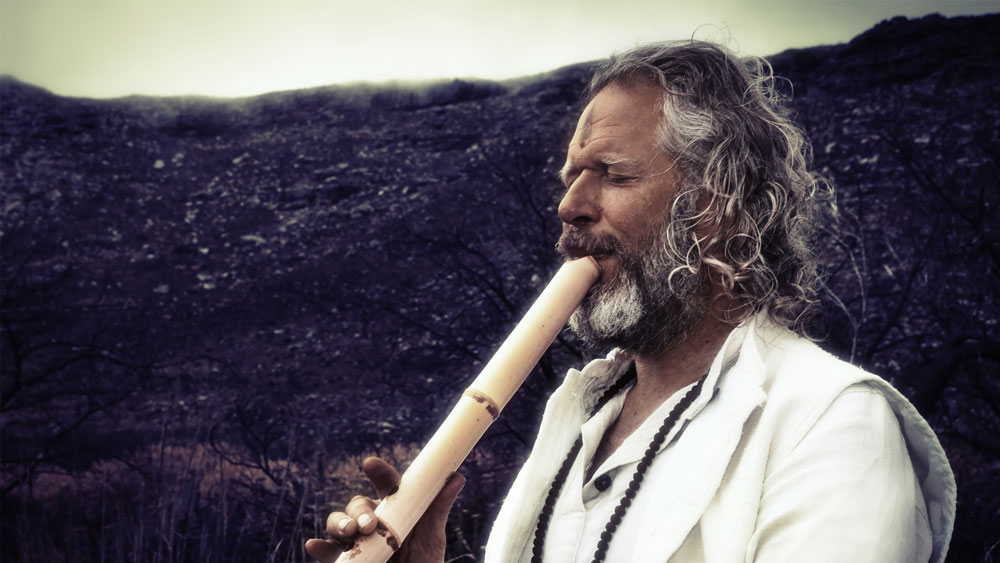
Your entry point isn't an album—it's finding one of Freedman's live shakuhachi performances or teaching sessions, ideally one where he demonstrates honkyoku pieces.

Adrian Freedman
Adrian Freedman
Jul 18, 2026
3 min de lecture
Lecture · 1 sections

Where to Start with Adrian Freedman: A Beginner's Guide

Begin with a Live Shakuhachi Session

Your entry point isn't an album—it's finding one of Freedman's live shakuhachi performances or teaching sessions, ideally one where he demonstrates honkyoku pieces. These meditative works, historically played by wandering Zen monks, reveal immediately what makes his approach distinctive: the shakuhachi as breathing practice rather than performance, silence as compositional material, each note arising from complete attention to a single breath.

If you can access recordings of his teaching on the intersection of shakuhachi and meditation, start there. Freedman's explanation of why the Fuke monks used this bamboo flute as their primary spiritual practice—not as accompaniment to meditation but as meditation itself—reframes everything you'll hear afterward. You'll understand that what sounds like "slow" or "minimal" music is actually the audible trace of a highly specific contemplative discipline.

After That First Encounter

Next, explore his medicine mantra songs. These compositions synthesize the shakuhachi tradition with ceremonial and devotional music from plant medicine contexts. Here you'll hear how Freedman translates Buddhist and shamanic practices into sound, creating pieces designed for specific states of consciousness. The melodic structures draw from honkyoku's breath-centered phrasing while incorporating repetitive, trance-inducing elements foreign to traditional Japanese repertoire.

Then investigate his teaching materials on what he calls "Zen Heart Medicine Music." These explain his compositional philosophy: how microtonal inflections in shakuhachi music mirror the subtlety required in meditation practice, why he considers the instrument a "spiritual technology," and how he understands the relationship between sound, breath, and altered states. This context transforms passive listening into practice.

What to Expect

First encounters with Freedman's work often feel austere. A single shakuhachi note can sustain for ten or fifteen seconds, emerging from and dissolving back into silence. The palette is limited: one bamboo flute, unaccompanied, exploring minute gradations of pitch, timbre, and breath. If you're accustomed to Western composition's harmonic motion or even to ambient music's textural density, this will sound radically sparse.

That sparseness is the point. Freedman learned from Yokoyama Katsuya that honkyoku demands "becoming one with the sound"—a phrase that sounds mystical but describes a concrete practice of coordinating breath, attention, and tone production so completely that performer and instrument dissolve into process.

Common Misunderstandings

Beginners often treat Freedman's work as "relaxation music" or background atmosphere. This misses entirely what he's doing. The pieces are participatory technologies. They're structured to entrain your breathing, quiet discursive thought, and induce meditative states—but only if you listen actively, following each phrase with full attention.

Another mistake: assuming the "medicine music" is metaphorical. Freedman composes specifically for plant medicine ceremonies, creating sonic environments calibrated to particular stages of psychedelic experience. The mantra songs aren't about altered states; they're functional tools within them.

When This Work Lands Hardest

Freedman's practice tends to resonate during threshold periods: when you're questioning achievement-oriented approaches to creativity, recovering from burnout, or seeking practices that integrate artistic and contemplative disciplines. It hits differently if you're exploring meditation seriously rather than casually, or if you've experienced how sound can restructure consciousness in ceremonial contexts.

It also reaches people disillusioned with "world music" consumption—those who sense that playing a shakuhachi without understanding its monastic origins is like using a rosary as jewelry.

A One-Week Starter Plan

Days 1-2: Listen to one honkyoku piece daily. Don't multitask. Notice your breathing synchronizing with the phrases.

Days 3-4: Read or watch Freedman's teachings on shakuhachi as meditation practice. Then re-listen to the same honkyoku. Notice what you missed.

Days 5-6: Explore two medicine mantra songs. Pay attention to how repetition functions differently than in Western music.

Day 7: Sit in silence for twenty minutes, then listen to a honkyoku piece. Notice how the silence prepares you to hear what's actually happening in the music.
Adrian Freedman
AboutAdrian Freedman

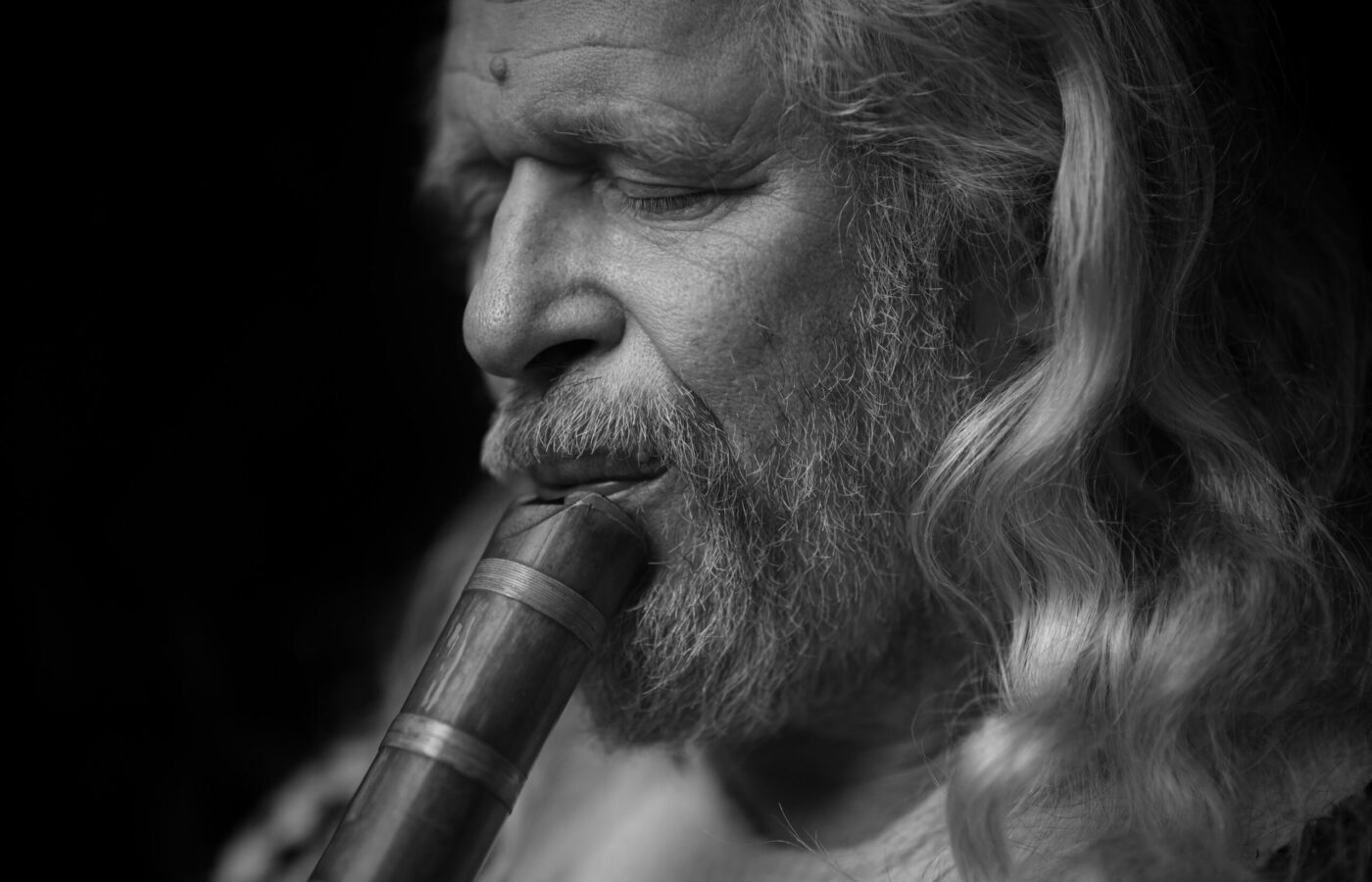
Adrian Freedman is a composer and shakuhachi player who trained for seven years in Japan under Grand Master Yokoyama Katsuya. His work blends the Japanese bamboo flute tradition wi…

Voir le profilSite web

Continuer la lecture

More about Adrian Freedman

Voir tout
Who Is Adrian Freedman? Life, Work, and Legacy
Article

Who Is Adrian Freedman? Life, Work, and Legacy

The Music of Adrian Freedman: Sound, Sacred Texture, and Lineage
Article

The Music of Adrian Freedman: Sound, Sacred Texture, and Lineage

Essential Adrian Freedman Albums: A Listening Guide
Article

Essential Adrian Freedman Albums: A Listening Guide

Adrian Freedman's Teaching: Approach, Method, and Voice
Article

Adrian Freedman's Teaching: Approach, Method, and Voice

Continue d’explorer

Poursuis ton chemin

Plus de sagesse et de rassemblements dans tout l’annuaire BrightStar.

Plus d’articles

Parcours toute la bibliothèque d’enseignements, d’entretiens et de guides.

Retour à tous les articles →

Enseignants et artistes

Découvre les lignées, les musiciens et les guides du monde conscient.

Explorer les artistes →

Trouver un événement

Kirtan, retraites, bains sonores, breathwork, festivals — bientôt près de chez toi.

Parcourir les événements →