EnduranceFinder
All Races
Every discipline, every distance
Marathons
26.2 miles of glory
Triathlons
Swim, bike, run
Cycling
Gran fondos & road races
Trail Running
Off-road & mountain races
Ultras
Beyond the marathon distance
Virtual Races
Race from anywhere
Popular Destinations
New YorkBostonChicagoLondonTokyoCape Town
Glossary
Endurance terms & definitions
Elite Athletes
Pro athlete profiles
Training Tips
Plans, workouts & coaching
Race Guides
Course previews & strategy
Gear Reviews
Shoes, bikes & race-day kit
Athlete Stories
Community race reports
Wisdom
Words from endurance legends
AI Discovery
How AI powers your experience
Blog
Latest from EnduranceFinder

“Run when you can, walk if you have to, crawl if you must; just never give up.”

— Dean Karnazes

Language
Saved events
All RacesEvery discipline, every distance
Marathons26.2 miles of glory
TriathlonsSwim, bike, run
CyclingGran fondos & road races
Trail RunningOff-road & mountain races
UltrasBeyond the marathon distance
Virtual RacesRace from anywhere
Popular Destinations
New YorkBostonChicagoLondonTokyoCape Town
GlossaryEndurance terms & definitions
Elite AthletesPro athlete profiles
Training TipsPlans, workouts & coaching
Race GuidesCourse previews & strategy
Gear ReviewsShoes, bikes & race-day kit
Athlete StoriesCommunity race reports
WisdomWords from endurance legends
AI DiscoveryHow AI powers your experience
BlogLatest from EnduranceFinder
ConnexionS'inscrireWhy EnduranceFinder?
  • Browse All Races
  • Marathons
  • Half Marathons
  • Triathlons
  • Cycling
  • Ultras
  • Trail Running
  • Swimming
  • Obstacle Races
  • All Categories →
  • Boston
  • Chicago
  • New York City
  • San Francisco
  • Los Angeles
  • Denver / Boulder
  • Austin
  • Seattle
  • Berlin
  • London
  • Kona
  • Chamonix
  • Tokyo
  • Amsterdam
  • Toutes les villes →
  • For Race Directors
  • For Timing Companies
  • For Running Clubs
  • For Cycling Organizations
  • For Triathlon Clubs
  • For Trail Race Organizers
  • For Charity Races
  • For OCR & Adventure Races
  • For Swim & Open Water
  • AI Platform
  • Pricing
  • Case Studies
  • Récupération des paniers abandonnés
  • Tarification dynamique intelligente
  • Catégories de billets
  • Événements récurrents
  • Custom Questions
  • Système d'affiliation
  • Liste d'attente / Notifier
  • Scanner de billets
  • Widget intégrable
  • Diffusion d'événements
  • Integrations
  • Toutes les fonctionnalités →
  • About EnduranceFinder
  • Blog
  • AI Discovery
  • Training Guides
  • Race Guides
  • Help Center
  • Contact Us
  • Careers
  • Press
  • Conditions d'utilisation
  • Politique de confidentialité

Races

  • Browse All Races
  • Marathons
  • Half Marathons
  • Triathlons
  • Cycling
  • Ultras
  • Trail Running
  • Swimming
  • Obstacle Races
  • All Categories →

Destinations

  • Boston
  • Chicago
  • New York City
  • San Francisco
  • Los Angeles
  • Denver / Boulder
  • Austin
  • Seattle
  • Berlin
  • London
  • Kona
  • Chamonix
  • Tokyo
  • Amsterdam
  • Toutes les villes →

Pour Race directors

  • For Race Directors
  • For Timing Companies
  • For Running Clubs
  • For Cycling Organizations
  • For Triathlon Clubs
  • For Trail Race Organizers
  • For Charity Races
  • For OCR & Adventure Races
  • For Swim & Open Water
  • AI Platform
  • Pricing
  • Case Studies

Fonctionnalités

  • Récupération des paniers abandonnés
  • Tarification dynamique intelligente
  • Catégories de billets
  • Événements récurrents
  • Custom Questions
  • Système d'affiliation
  • Liste d'attente / Notifier
  • Scanner de billets
  • Widget intégrable
  • Diffusion d'événements
  • Integrations
  • Toutes les fonctionnalités →

Entreprise

  • About EnduranceFinder
  • Blog
  • AI Discovery
  • Training Guides
  • Race Guides
  • Help Center
  • Contact Us
  • Careers
  • Press
  • Conditions d'utilisation
  • Politique de confidentialité
EnduranceFinder
© 2026 EnduranceFinder. Tous droits réservés.
Back to Luka Lesson
Where to Start with Luka Lesson: A Beginner's Guide
For Beginners

Where to Start with Luka Lesson: A Beginner's Guide

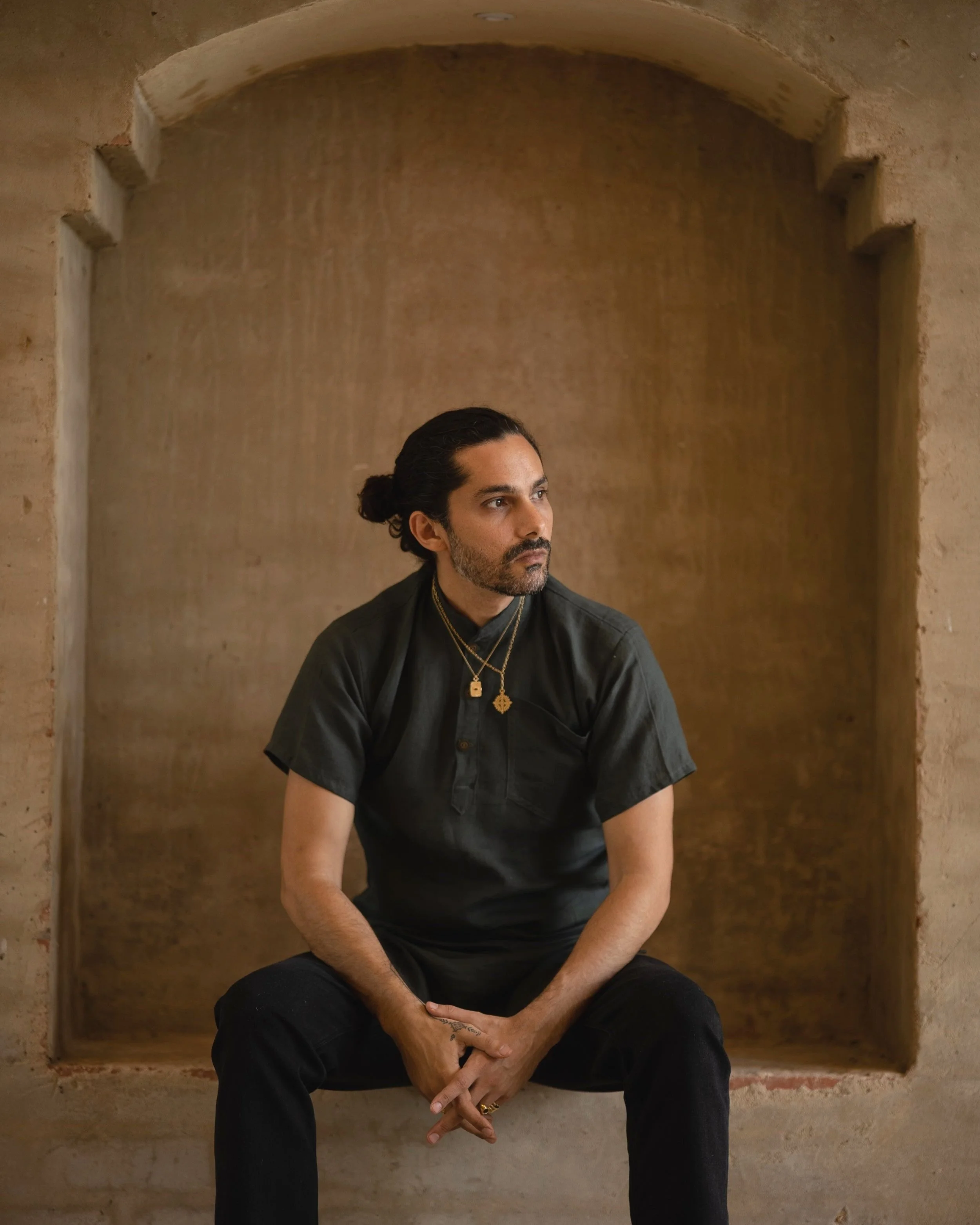
Luka Lesson's work lives most fully in person—specifically at his annual poetry retreats in Greece. If you can swing it, that's your entry point. But if Greece isn't on the calendar, start with one of his in-person workshops in Australia.

Luka Lesson
Luka Lesson
Jul 18, 2026
3 min de lecture
Lecture · 1 sections

Where to Start with Luka Lesson: A Beginner's Guide

Begin with a Retreat (Or the Next Best Thing)

Luka Lesson's work lives most fully in person—specifically at his annual poetry retreats in Greece. If you can swing it, that's your entry point. But if Greece isn't on the calendar, start with one of his in-person workshops in Australia. These aren't lectures about poetry; they're laboratories for finding your voice using Greek mythology as scaffolding. Lesson has been running these for 19 years, and they're where his hybrid approach—poet-as-meditation-teacher, myth-as-mirror—makes immediate sense. You'll write, you'll speak what you've written, and you'll leave understanding that poetry isn't decoration. It's a practical technology for emotional literacy.

If in-person isn't possible, look for recordings or documentation of his performance work. His collaboration with the Queensland Symphony Orchestra demonstrates how he moves poetry out of the page and into embodied space. His stage-sharing with musician Trevor Hall similarly shows the contemplative dimension of his practice.

After That: Go Deeper into Myth, Then into Practice

Once you've encountered Lesson's facilitation style, the next step is to engage with Greek mythology on your own terms. Read Metamorphoses or reacquaint yourself with the stories he uses as teaching frameworks. Lesson treats these myths not as ancient literature but as living templates for transformation, identity, and lineage. You need the raw material to understand how he's reconfiguring it.

Then attend a longer-form program or course. Lesson's extended workshops reveal the architecture beneath the spontaneity—how embodied writing practices compound over time, how repeated articulation of voice builds creative courage. These aren't one-off experiences; they're training grounds.

Finally, if you write, perform what you've written. Lesson's work insists on the gap between private composition and public utterance. His practice assumes poetry is incomplete until it's spoken, heard, witnessed.

What to Expect: Discomfort and Permission

First encounters with Lesson's work tend to surprise people who come expecting traditional poetry instruction. This isn't close reading or craft talk about line breaks. It's more confrontational and more generous: you'll be asked to write from vulnerable places, to speak before you feel ready, to use ancient stories to access contemporary wounds. The political urgency in his work isn't abstract—it's woven through personal material, through the question of what voice you're allowing yourself and what voice you're suppressing.

Expect to feel exposed. Also expect to feel permission.

The Beginner's Mistake: Treating It as Performance Training

The most common misunderstanding is assuming Lesson teaches performance poetry or slam technique. He doesn't. The spoken-word dimension is about embodiment and courage, not about stage presence or competitive delivery. Similarly, beginners sometimes approach the mythology as metaphor-shopping—looking for neat symbolic equivalents. Lesson uses myth more radically: as inherited structure that you inhabit, argue with, and remake. It's less "Persephone represents seasonal change" and more "What does it mean that you keep descending?"

When This Work Lands Hardest

Lesson's practice tends to hit during transitions: when you're questioning inherited identity, navigating lineage (chosen or biological), or facing the gap between who you are privately and who you are publicly. It's potent for people returning to creative work after years away, or for those realizing that political engagement requires personal reckoning. The retreat setting particularly serves people at thresholds—leaving relationships, careers, countries, old stories about themselves.

A One-Week Starter Plan

Day 1-2: Research Lesson's upcoming workshops or retreats. Book one if possible. If nothing's available soon, find video or audio of his performances.

Day 3-4: Read three Greek myths (Persephone, Orpheus, Prometheus—start there). Write your immediate, unfiltered responses. Don't analyze; associate.

Day 5: Write a page about your own lineage, ancestry, or homeland using one myth as a loose structure. Don't force the parallel.

Day 6: Read what you wrote out loud to another person. Don't apologize, don't frame it. Just speak it.

Day 7: Reflect on the difference between writing it and saying it. That gap is where Lesson's work begins.

Luka Lesson
AboutLuka Lesson

Luka Lesson is a poet and workshop facilitator who draws on Greek mythology and personal reflection in his writing and teaching. He leads annual poetry retreats in Greece and has p…

Voir le profilSite web

Continuer la lecture

More about Luka Lesson

Voir tout
Who Is Luka Lesson? Life, Work, and Legacy
Article

Who Is Luka Lesson? Life, Work, and Legacy

Luka Lesson's Teaching: Approach, Method, and Voice
Article

Luka Lesson's Teaching: Approach, Method, and Voice

Continue d’explorer

Poursuis ton chemin

Plus de sagesse et de rassemblements dans tout l’annuaire BrightStar.

Plus d’articles

Parcours toute la bibliothèque d’enseignements, d’entretiens et de guides.

Retour à tous les articles →

Enseignants et artistes

Découvre les lignées, les musiciens et les guides du monde conscient.

Explorer les artistes →

Trouver un événement

Kirtan, retraites, bains sonores, breathwork, festivals — bientôt près de chez toi.

Parcourir les événements →