What is Conscious Music?
Conscious music is a broad category encompassing musical expressions created with intentional awareness to elevate human consciousness, inspire social change, support spiritual practice, or facilitate healing. Unlike entertainment-focused music, conscious music prioritizes purpose alongside aesthetics—whether that purpose is devotional surrender, political awakening, or therapeutic sonic experience. The term emerged in Western counterculture and has since become an umbrella sheltering diverse traditions: ancient kirtan and Gregorian chant, 1960s protest folk, conscious hip-hop, devotional electronica, and therapeutic sound healing. What unites these forms is the artist’s explicit intention to serve awareness rather than simply stimulate pleasure.
Origins & Lineage
The concept of music as a vehicle for consciousness predates the modern term by millennia. Sacred chants form a vital common thread through religious and healing traditions across the world, revealing both immense diversity and underlying commonalities. The Abrahamic faiths chant verses from the Torah, Psalms, and Quran in Hebrew, Greek, and Arabic, creating sacred vibrations using ancient melodic modes and poetry. Hinduism codified mantra repetition (japa) thousands of years ago; Buddhism developed chanting practices across Theravada, Mahayana, and Vajrayana lineages; Indigenous traditions connect to ancestral energies through evocative words and rhythms, including Aboriginal chants driven by didgeridoo and Andean medicine songs called icaros that summon nature spirits.
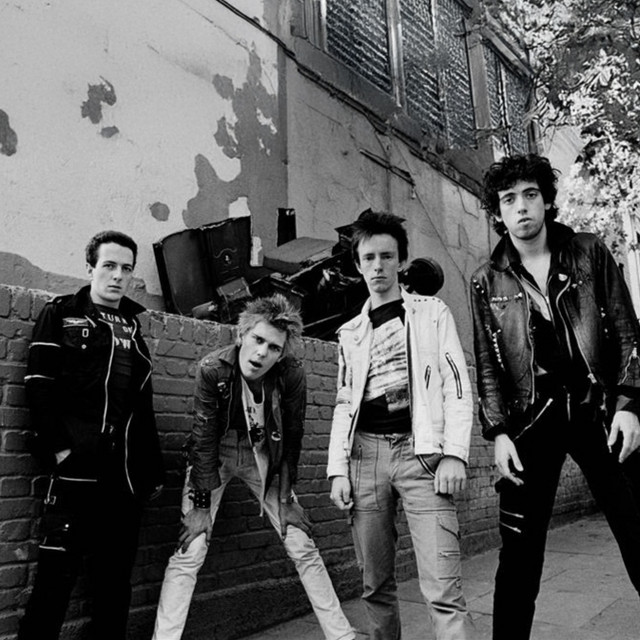
The modern “conscious music” label crystallized in the United States during the 1960s. The counterculture movement rejected mainstream norms and embraced personal freedom, championing peace, love, and consciousness expansion through music, art, and alternative lifestyles. Music became a force for collective action and created a rhetorical shift in perspectives, as the postwar generation created a collective identity through performance as praxis. Artists like Bob Dylan, Joan Baez, and Pete Seeger used folk music for anti-war protest; psychedelic rock bands explored altered states; soul and rhythm-and-blues articulated civil rights struggles.
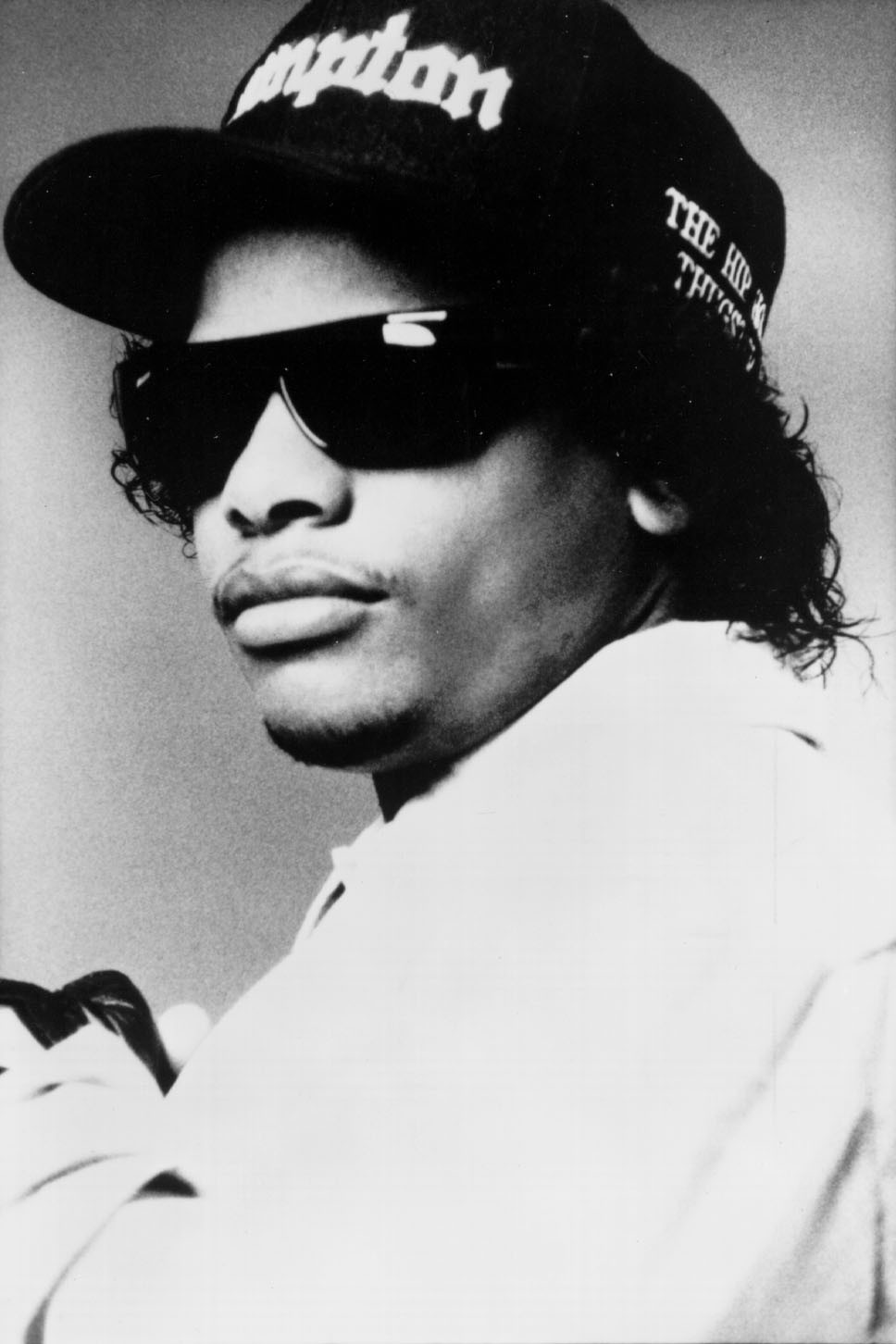
In hip-hop, the movement crystallized in the late 1980s and early 1990s, as artists in New York, Los Angeles, and other cities used densely lyrical rhymes to provoke thought and dialogue, with pioneers like KRS-One, Public Enemy, and De La Soul setting a template where music could educate as well as entertain. By the 2000s, festivals like Bhakti Fest (founded 2009) formalized the yoga-kirtan-devotional nexus, while electronic producers began integrating binaural beats, chakra tunings, and shamanic samples into dance music.
How It’s Practiced
Conscious music manifests across vastly different sonic landscapes. In devotional contexts, a bhakti festival is a gathering centered around devotion, expressed through music, mantra chanting (kirtan), yoga, meditation, and shared community experiences. The 2013 Bhakti Fest featured kirtan performances by Krishna Das, Deva Premal & Miten with Manose, and Jai Uttal. Participants engage in call-and-response chanting of Sanskrit mantras like Om Namah Shivaya or Hare Krishna, often accompanied by harmonium, tabla, and guitar.
In therapeutic settings, sound healers use crystal singing bowls, gongs, tuning forks, and voice to create immersive vibrational environments. “Conscious Music” or “Medicine Music” is created with a positive healing intention transmitted directly from the heart, connected to being of service to others and honoring all life as sacred. Shamans use music to greet the medicine, connect to the spirit world, and facilitate healing; the songs instantly change the ceremonial atmosphere, providing relief or helping ground participants.
In activist circles, conscious hip-hop foregrounds social commentary and political critique, treating the microphone as a vehicle for awareness, naming racism, police brutality, and economic inequality while offering visions of empowerment. Artists like Kendrick Lamar, Common, and J. Cole embed critique within intricate wordplay. Kendrick Lamar’s album Damn. was awarded the 2018 Pulitzer Prize for Music, signaling hip-hop’s artistic legitimacy.
Electronic conscious music ranges from downtempo “yoga bass” to psytrance. Producers incorporate shamanic drumming, Indigenous vocals, and binaural frequencies. Artists perform at transformational festivals—Burning Man, Lightning in a Bottle, Envision—where music supports ritual dance and psychedelic exploration.
Conscious Music Today
Seekers encounter conscious music in yoga studios (where playlists blend kirtan, ambient electronica, and devotional pop), at festivals (both spiritual gatherings like Bhakti Fest and transformational events like Symbiosis), through streaming playlists (“meditation music,” “conscious hip-hop,” “healing frequencies”), and in ceremonial contexts (cacao ceremonies, breathwork sessions, plant medicine rituals). Bhakti Fest features a lineup of conscious music on multiple stages and practice sessions with renowned yoga teachers. Sound baths and gong meditations have become mainstream wellness offerings.
A search or need for people to connect to more conscious music has started to occur, with a shift toward a rise in artists and producers dedicated to bringing conscious music to the frontline. Independent labels, Bandcamp, and YouTube enable artists to bypass commercial gatekeepers. The genre has expanded to include “conscious pop”—the intersection of pop, adult contemporary, and R&B with spirituality, awareness, authenticity, empowerment, and universal values, with the divine, love, and justice as the three pillars.
Common Misconceptions
Conscious music is not inherently slow, acoustic, or “spiritual-sounding.” Punk, metal, and aggressive hip-hop can be conscious if the intention is awakening. It is not synonymous with “positive vibes”—much conscious music confronts suffering, injustice, and shadow. It is not New Age muzak; many practitioners critique the commodification of spirituality.
Conscious music is not exempt from cultural appropriation debates. Western artists sampling Indigenous icaros or chanting Sanskrit without lineage transmission face legitimate scrutiny. Nor is the label a quality guarantee; self-described conscious artists vary widely in skill and depth.
Finally, conscious music is not a monolith. The question of what constitutes conscious music remains open: Bhakti mantras, Southern gospel songs, traditional hymns, indigenous sounds, or street hip-hop? There is no single aesthetic or dogma.
How to Begin
For devotional exploration, attend a kirtan at a local yoga studio or temple; Krishna Das’s Live on Earth offers an accessible entry point. For socially conscious hip-hop, begin with Kendrick Lamar’s To Pimp a Butterfly or Common’s Be. For sound healing, experience a live sound bath or explore albums like Liquid Bloom’s Heart of the Shamans. For psychedelic electronica, investigate Desert Dwellers or ATYYA.
Read The Yoga of Sound by Russill Paul for mantra theory, or explore the intersection of music and activism in Songs of Freedom by Jim Doyle. Attend a festival like Bhakti Fest, Beloved, or Envision to experience the breadth of the field. Most importantly, notice what music shifts your state—not merely your mood, but your level of awareness. That is the litmus test.