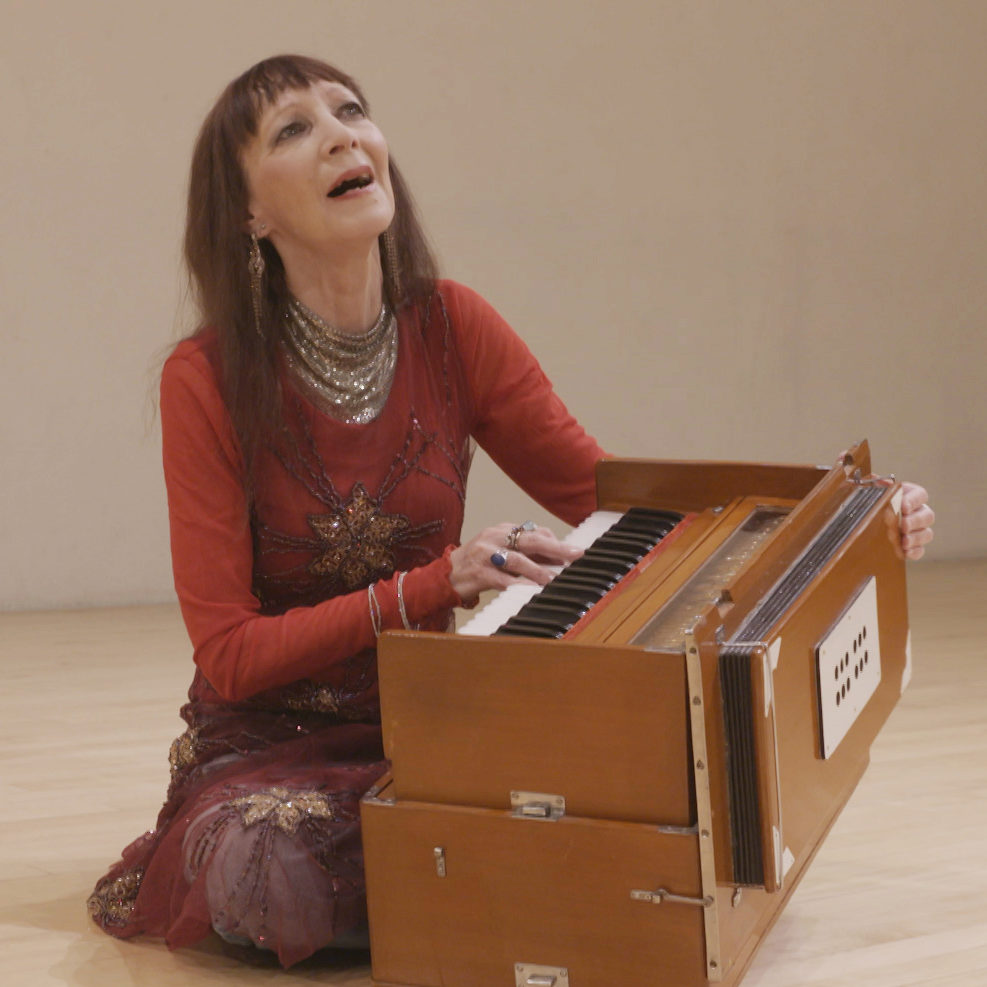
What is a Kirtan Leader?
A kirtan leader is a facilitator of kirtan—a participatory form of devotional chanting rooted in the bhakti yoga tradition of India. Unlike a performer who sings to an audience, a kirtan leader engages participants in call-and-response chanting of sacred mantras, divine names, and devotional songs, typically in Sanskrit. The leader chants a phrase and the group echoes it back, creating a meditative, communal experience intended to cultivate devotion and spiritual connection. The role requires musical skill, knowledge of Sanskrit pronunciation and mantra meaning, and the capacity to hold devotional space for groups ranging from intimate gatherings to festivals of thousands.
Origins & Lineage
Kirtan emerged from the bhakti (devotion) movement that swept across India between the 7th and 17th centuries, though its roots extend to Vedic chanting practices documented in the Sama Veda (circa 1200-1000 BCE). The bhakti saints democratized spiritual practice by making devotion—rather than ritual purity or scholarly knowledge—the central path to the divine. Figures like Chaitanya Mahaprabhu (1486-1534) in Bengal popularized ecstatic public kirtan, chanting the names of Krishna and Radha through the streets. In South India, the Alvar and Nayanar poet-saints composed devotional hymns in Tamil that formalized call-and-response structures. The practice traveled distinct lineages: the Gauḍīya Vaishnava tradition emphasized Krishna mantras, while Shaiva lineages focused on Shiva, and goddess-centered traditions invoked forms of Devi.
The modern kirtan leader role as understood in the West began with the arrival of Indian gurus in the 1960s and 1970s. Swami Satchidananda, Yogi Bhajan, and Bhagavan Das introduced chanting to Western spiritual seekers. Ram Dass’s guru, Neem Karoli Baba, inspired a generation of American devotees who became kirtan leaders themselves. By the 1990s and 2000s, musicians like Krishna Das, Jai Uttal, and Deva Premal professionalized the role, recording albums and touring internationally, transforming kirtan from ashram practice into a recognized musical and spiritual genre.
How It’s Practiced
A typical kirtan session lasts 60-90 minutes. The leader sits or stands at the front, usually playing harmonium, though guitar, keyboards, or other instruments may be used. Accompanying musicians often include tabla or mridangam (percussion), tambura (drone), and sometimes Western instruments like bass or violin. The leader begins by chanting a mantra or divine name—common examples include “Om Namah Shivaya” (honoring Shiva), “Hare Krishna” (the Maha Mantra), or “Om Gam Ganapataye Namaha” (invoking Ganesha). Participants repeat each phrase, often with eyes closed, sometimes swaying or raising hands.
The chanting typically follows a wave structure: beginning slowly and quietly, building in tempo and volume to a peak of ecstatic energy, then gradually settling back into silence. This arc mirrors the movement from ordinary consciousness toward states of absorption and back. The leader’s skill lies not in virtuosic singing but in sensitivity—reading the room’s energy, choosing mantras that serve the moment, and maintaining enough musical coherence to support collective participation without overwhelming it. The experience is intended to be meditative rather than theatrical; participants often report feelings of emotional release, mental clarity, or devotional opening.
Kirtan Leader Today
Kirtan has become a fixture in yoga studios, spiritual retreat centers, and conscious community gatherings across North America, Europe, Australia, and urban centers worldwide. Many studios host weekly kirtan nights; festivals like Bhakti Fest and Hanuman Festival feature kirtan leaders as headline acts. The practice has diversified: some leaders maintain strict adherence to traditional forms and Sanskrit-only chanting, while others incorporate English devotional lyrics, indigenous instruments, or electronic elements. Online platforms have expanded access—livestreamed kirtans during the COVID-19 pandemic introduced the practice to homebound seekers.
Contemporary kirtan leaders often train in both musical and spiritual dimensions. Some study with traditional gurus in India; others emerge from Western yoga teacher training programs that include chanting modules. A few conservatories and schools now offer kirtan-specific training. The profession remains largely independent—most leaders teach privately, release recordings on independent labels, and tour regionally or internationally. The economic model varies from donation-based community events to ticketed concerts and retreat teaching fees.
Common Misconceptions
Kirtan is not performance art. Though recorded kirtan albums exist and leaders may have stage presence, the intention differs fundamentally from concert performance—the leader serves the group’s devotional experience rather than showcasing talent. Kirtan is also not meditation in the sense of silent sitting; it’s an active, vocal, often physically energetic practice, though it can produce meditative states.
Kirtan is not inherently religious conversion. While rooted in Hindu devotional traditions, most Western kirtan contexts frame the practice as universal spirituality rather than sectarian worship. However, this detachment from origin traditions is itself debated—some practitioners and scholars critique “kirtan lite” as cultural appropriation that strips the practice of theological depth and lineage accountability.
Finally, a kirtan leader is not necessarily a guru or spiritual teacher in the traditional sense, though role boundaries can blur. Some leaders explicitly disclaim teaching authority and present themselves as facilitators; others operate within guru-disciple frameworks and offer spiritual guidance alongside music.
How to Begin
For those drawn to becoming kirtan leaders, begin as a participant. Attend local kirtan sessions to internalize the call-and-response form and observe how skilled leaders navigate group energy. Study basic harmonium or guitar—functional accompaniment matters more than virtuosity. Learn common mantras with correct Sanskrit pronunciation; resources include Krishna Das’s “Chants of a Lifetime,” Jai Uttal’s instructional materials, and traditional pronunciation guides from organizations like the Bhakti Center. Consider studying with a teacher in an established lineage—lineages provide not just technique but philosophical context and ethical grounding.
For seekers new to kirtan as practice, start by listening to recorded kirtan from established artists to familiarize yourself with the form. Attend a local kirtan event—most welcome beginners and require no prior experience or knowledge. Many find that initial self-consciousness dissolves once the chanting begins and the repetitive, collective nature of the practice takes over. Approach with curiosity rather than expectation; kirtan affects different people differently, and a single session may feel revelatory, neutral, or uncomfortable depending on personal resonance with devotional practice.