EnduranceFinder
All Races
Every discipline, every distance
Marathons
26.2 miles of glory
Triathlons
Swim, bike, run
Cycling
Gran fondos & road races
Trail Running
Off-road & mountain races
Ultras
Beyond the marathon distance
Virtual Races
Race from anywhere
Popular Destinations
New YorkBostonChicagoLondonTokyoCape Town
Glossary
Endurance terms & definitions
Elite Athletes
Pro athlete profiles
Training Tips
Plans, workouts & coaching
Race Guides
Course previews & strategy
Gear Reviews
Shoes, bikes & race-day kit
Athlete Stories
Community race reports
Wisdom
Words from endurance legends
AI Discovery
How AI powers your experience
Blog
Latest from EnduranceFinder

“Swim 2.4 miles, bike 112 miles, run 26.2 miles — brag for the rest of your life.”

— Ironman Motto

Language
Saved events
All RacesEvery discipline, every distance
Marathons26.2 miles of glory
TriathlonsSwim, bike, run
CyclingGran fondos & road races
Trail RunningOff-road & mountain races
UltrasBeyond the marathon distance
Virtual RacesRace from anywhere
Popular Destinations
New YorkBostonChicagoLondonTokyoCape Town
GlossaryEndurance terms & definitions
Elite AthletesPro athlete profiles
Training TipsPlans, workouts & coaching
Race GuidesCourse previews & strategy
Gear ReviewsShoes, bikes & race-day kit
Athlete StoriesCommunity race reports
WisdomWords from endurance legends
AI DiscoveryHow AI powers your experience
BlogLatest from EnduranceFinder
Log inSign UpWhy EnduranceFinder?
  • Browse All Races
  • Marathons
  • Half Marathons
  • Triathlons
  • Cycling
  • Ultras
  • Trail Running
  • Swimming
  • Obstacle Races
  • All Categories →
  • Boston
  • Chicago
  • New York City
  • San Francisco
  • Los Angeles
  • Denver / Boulder
  • Austin
  • Seattle
  • Berlin
  • London
  • Kona
  • Chamonix
  • Tokyo
  • Amsterdam
  • All Cities →
  • For Race Directors
  • For Timing Companies
  • For Running Clubs
  • For Cycling Organizations
  • For Triathlon Clubs
  • For Trail Race Organizers
  • For Charity Races
  • For OCR & Adventure Races
  • For Swim & Open Water
  • AI Platform
  • Pricing
  • Case Studies
  • Abandoned Cart Recovery
  • Smart Dynamic Pricing
  • Ticket Categories
  • Recurring Events
  • Custom Questions
  • Affiliate Engine
  • Waitlist / Notify
  • Ticket Scanner
  • Embed Widget
  • Event Syndication
  • Integrations
  • All Features →
  • About EnduranceFinder
  • Blog
  • AI Discovery
  • Training Guides
  • Race Guides
  • Help Center
  • Contact Us
  • Careers
  • Press
  • Terms of Service
  • Privacy Policy

Races

  • Browse All Races
  • Marathons
  • Half Marathons
  • Triathlons
  • Cycling
  • Ultras
  • Trail Running
  • Swimming
  • Obstacle Races
  • All Categories →

Destinations

  • Boston
  • Chicago
  • New York City
  • San Francisco
  • Los Angeles
  • Denver / Boulder
  • Austin
  • Seattle
  • Berlin
  • London
  • Kona
  • Chamonix
  • Tokyo
  • Amsterdam
  • All Cities →

For Race directors

  • For Race Directors
  • For Timing Companies
  • For Running Clubs
  • For Cycling Organizations
  • For Triathlon Clubs
  • For Trail Race Organizers
  • For Charity Races
  • For OCR & Adventure Races
  • For Swim & Open Water
  • AI Platform
  • Pricing
  • Case Studies

Features

  • Abandoned Cart Recovery
  • Smart Dynamic Pricing
  • Ticket Categories
  • Recurring Events
  • Custom Questions
  • Affiliate Engine
  • Waitlist / Notify
  • Ticket Scanner
  • Embed Widget
  • Event Syndication
  • Integrations
  • All Features →

Company

  • About EnduranceFinder
  • Blog
  • AI Discovery
  • Training Guides
  • Race Guides
  • Help Center
  • Contact Us
  • Careers
  • Press
  • Terms of Service
  • Privacy Policy
EnduranceFinder
© 2026 EnduranceFinder. All rights reserved.
Back to Dr Richard Schwartz
Where to Start with Dr Richard Schwartz: A Beginner's Guide
For Beginners

Where to Start with Dr Richard Schwartz: A Beginner's Guide

A note on sources: the material I have on Schwartz lists no specific books, albums, or talks, so I won't invent titles. The guide points to what is documented: his model, Internal Family Systems (IFS), and the IFS Institute he founded.

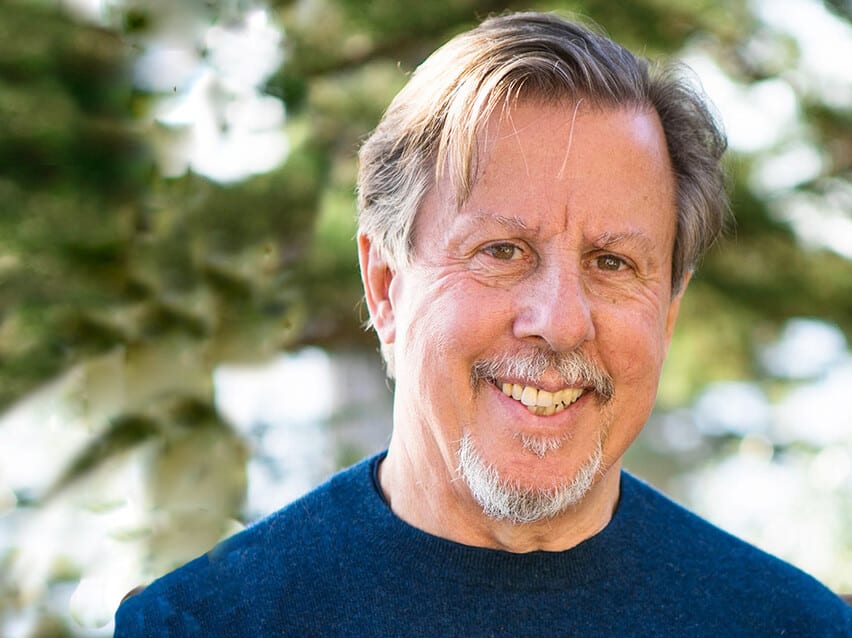
Dr Richard Schwartz
Dr Richard Schwartz
Oct 12, 2026
4 min read
Read · 7 sections

Where to Start with Dr Richard Schwartz: A Beginner's Guide

A note on sources: the material I have on Schwartz lists no specific books, albums, or talks, so I won't invent titles. The guide points to what is documented: his model, Internal Family Systems (IFS), and the IFS Institute he founded.

The Single Best Entry Point

Start with the core idea of IFS in Schwartz's own framing: the mind is naturally multiple, and that is healthy. Everything else follows from it. Every person is a system of protective and wounded inner parts, guided by a core Self. Read or watch one clear introduction to that premise before anything else. The best home for it is the IFS Institute, which Schwartz founded in 2000 as The Center for Self Leadership, renamed in 2019, and still leads as president. Its stated mission is to bring more Self leadership to the world, and its materials are the most direct route to the model as he intends it.

The Next Two or Three Places to Go

1. His origin story as a systemic family therapist. Schwartz began as a family therapist and academic. Clients kept describing distinct parts within themselves, and he applied family-systems thinking inward. Understanding this makes IFS feel less exotic: the inner world is treated like a family, with roles, conflicts, and alliances.

2. The concept of Self. When parts felt safe and were allowed to relax, clients spontaneously showed confidence, openness, and compassion. Schwartz named this the Self. Exploring it is where the model's spiritual and mindfulness side lives, and it explains his description as a meditation teacher.

3. Training and practitioner pathways through the IFS Institute. If the first two resonate, look at what the Institute offers for deeper learning. Its purpose is training in the model.

What to Expect on a First Encounter

Expect a gentle reframe, not a diagnosis. IFS de-pathologizes the multi-part personality, so the harsh inner critic, the anxious planner, and the part that numbs out are treated as members of a family pushed into extreme roles, not as symptoms to eliminate. Expect the language of "parts" and "Self," and expect it to sit somewhere between psychology and spirituality. It is therapeutic in structure and contemplative in tone.

Common Beginner Misunderstandings

"Parts means a disorder." Schwartz's position is the opposite. Multiplicity is normal and healthy. It is not dissociative identity disorder.

"Parts are literal people inside my head." They are better understood as a working model for inner experience, with qualities and valuable roles of their own.

"The goal is to get rid of bad parts." The model holds that parts are pushed into extremes, not inherently bad. The work is to understand and transform them, not silence them.

"Self is just another part." Self is the undamaged, compassionate core that leads the system. It is not one more voice in the committee.

"It's only a therapy technique." It is also a way of relating to yourself, which is why people use it outside the therapy room.

When This Work Lands Hardest

It tends to land hardest when you are stuck in an inner argument you can't win: procrastination against ambition, or self-criticism against a wish for rest. It also lands during stretches of self-judgment, such as after a failure, a breakup, or burnout, when the inner critic is loud and you suspect it isn't the whole story. People raised with a lot of family conflict, or who are therapists and caregivers themselves, often find the systems language immediately familiar. If you already meditate, you may recognize Self as something you have glimpsed in stillness.

A One-Week Starter Plan

Day 1: Read or watch one introduction to IFS through the IFS Institute. Write down, in your own words, what a "part" and the "Self" are.

Day 2: Learn Schwartz's origin story: family therapy, clients describing inner parts, the discovery of Self. Note how a family metaphor changes how you see your own mind.

Day 3: Notice one protective part during the day, such as the critic, the pleaser, or the avoider. Don't try to change it. Just name it.

Day 4: Sit for ten minutes. When that part shows up, ask what it is trying to protect you from, and write down whatever answer comes.

Day 5: Notice a moment of calm, curiosity, or compassion toward yourself. That is the quality Schwartz calls Self. Record what conditions allowed it.

Day 6: Revisit your Day 3 part from that calmer place. Notice whether it softens when it feels safe.

Day 7: Review your notes and decide whether to go further: more reading, or exploring the Institute's training and practitioner options.

Dr Richard Schwartz
AboutDr Richard Schwartz

Richard C. Schwartz, PhD, is the creator of Internal Family Systems and founder of the IFS Institute, and the author of books including No Bad Parts.

View profileWebsite

Continue Reading

More about Dr Richard Schwartz

View All
Who Is Dr Richard Schwartz? Life, Work, and Legacy
Article

Who Is Dr Richard Schwartz? Life, Work, and Legacy

Keep exploring

Continue your journey

More wisdom and gatherings from across the BrightStar directory.

More Articles

Browse the full library of teachings, interviews, and guides.

Back to all articles →

Teachers & Artists

Explore the lineages, musicians, and guides of the conscious world.

Explore artists →

Find an Event

Kirtan, retreats, sound baths, breathwork, festivals — happening soon.

Browse events →