EnduranceFinder
All Races
Every discipline, every distance
Marathons
26.2 miles of glory
Triathlons
Swim, bike, run
Cycling
Gran fondos & road races
Trail Running
Off-road & mountain races
Ultras
Beyond the marathon distance
Virtual Races
Race from anywhere
Popular Destinations
New YorkBostonChicagoLondonTokyoCape Town
Glossary
Endurance terms & definitions
Elite Athletes
Pro athlete profiles
Training Tips
Plans, workouts & coaching
Race Guides
Course previews & strategy
Gear Reviews
Shoes, bikes & race-day kit
Athlete Stories
Community race reports
Wisdom
Words from endurance legends
AI Discovery
How AI powers your experience
Blog
Latest from EnduranceFinder

“Swim 2.4 miles, bike 112 miles, run 26.2 miles — brag for the rest of your life.”

— Ironman Motto

Language
Saved events
All RacesEvery discipline, every distance
Marathons26.2 miles of glory
TriathlonsSwim, bike, run
CyclingGran fondos & road races
Trail RunningOff-road & mountain races
UltrasBeyond the marathon distance
Virtual RacesRace from anywhere
Popular Destinations
New YorkBostonChicagoLondonTokyoCape Town
GlossaryEndurance terms & definitions
Elite AthletesPro athlete profiles
Training TipsPlans, workouts & coaching
Race GuidesCourse previews & strategy
Gear ReviewsShoes, bikes & race-day kit
Athlete StoriesCommunity race reports
WisdomWords from endurance legends
AI DiscoveryHow AI powers your experience
BlogLatest from EnduranceFinder
Log inSign UpWhy EnduranceFinder?
  • Browse All Races
  • Marathons
  • Half Marathons
  • Triathlons
  • Cycling
  • Ultras
  • Trail Running
  • Swimming
  • Obstacle Races
  • All Categories →
  • Boston
  • Chicago
  • New York City
  • San Francisco
  • Los Angeles
  • Denver / Boulder
  • Austin
  • Seattle
  • Berlin
  • London
  • Kona
  • Chamonix
  • Tokyo
  • Amsterdam
  • All Cities →
  • For Race Directors
  • For Timing Companies
  • For Running Clubs
  • For Cycling Organizations
  • For Triathlon Clubs
  • For Trail Race Organizers
  • For Charity Races
  • For OCR & Adventure Races
  • For Swim & Open Water
  • AI Platform
  • Pricing
  • Case Studies
  • Abandoned Cart Recovery
  • Smart Dynamic Pricing
  • Ticket Categories
  • Recurring Events
  • Custom Questions
  • Affiliate Engine
  • Waitlist / Notify
  • Ticket Scanner
  • Embed Widget
  • Event Syndication
  • Integrations
  • All Features →
  • About EnduranceFinder
  • Blog
  • AI Discovery
  • Training Guides
  • Race Guides
  • Help Center
  • Contact Us
  • Careers
  • Press
  • Terms of Service
  • Privacy Policy

Races

  • Browse All Races
  • Marathons
  • Half Marathons
  • Triathlons
  • Cycling
  • Ultras
  • Trail Running
  • Swimming
  • Obstacle Races
  • All Categories →

Destinations

  • Boston
  • Chicago
  • New York City
  • San Francisco
  • Los Angeles
  • Denver / Boulder
  • Austin
  • Seattle
  • Berlin
  • London
  • Kona
  • Chamonix
  • Tokyo
  • Amsterdam
  • All Cities →

For Race directors

  • For Race Directors
  • For Timing Companies
  • For Running Clubs
  • For Cycling Organizations
  • For Triathlon Clubs
  • For Trail Race Organizers
  • For Charity Races
  • For OCR & Adventure Races
  • For Swim & Open Water
  • AI Platform
  • Pricing
  • Case Studies

Features

  • Abandoned Cart Recovery
  • Smart Dynamic Pricing
  • Ticket Categories
  • Recurring Events
  • Custom Questions
  • Affiliate Engine
  • Waitlist / Notify
  • Ticket Scanner
  • Embed Widget
  • Event Syndication
  • Integrations
  • All Features →

Company

  • About EnduranceFinder
  • Blog
  • AI Discovery
  • Training Guides
  • Race Guides
  • Help Center
  • Contact Us
  • Careers
  • Press
  • Terms of Service
  • Privacy Policy
EnduranceFinder
© 2026 EnduranceFinder. All rights reserved.
Back to Michael Pollan
Where to Start with Michael Pollan: A Beginner's Guide
For Beginners

Where to Start with Michael Pollan: A Beginner's Guide

Begin with The Omnivore's Dilemma: A Natural History of Four Meals. This is Pollan's masterwork and the ideal entry point. The book follows four food chains from source to table: industrial, industrial organic, local sustainable, and hunter-gatherer.

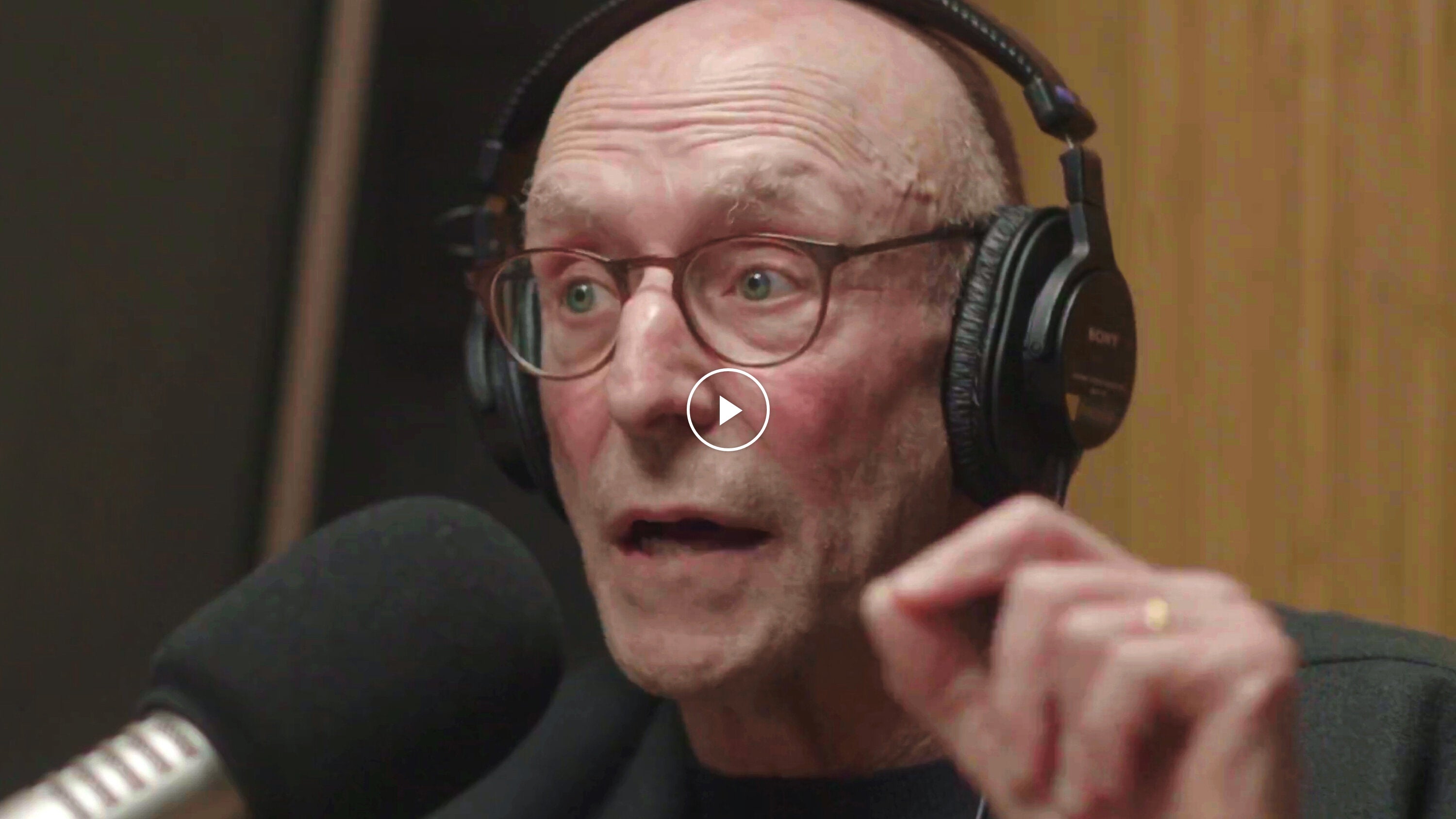
Michael Pollan
Michael Pollan
Jun 17, 2026
3 min read
Read · 1 sections

Where to Start with Michael Pollan: A Beginner's Guide

Start Here: "The Omnivore's Dilemma"

Begin with The Omnivore's Dilemma: A Natural History of Four Meals. This is Pollan's masterwork and the ideal entry point. The book follows four food chains from source to table: industrial, industrial organic, local sustainable, and hunter-gatherer. Pollan literally traces his meals backward—buying a steer, visiting Polyface Farm, foraging for mushrooms, hunting wild boar. The structure gives you concrete narratives rather than abstract preaching, and by the end, you'll never look at a supermarket the same way.

The industrial corn section alone will rewire how you understand American agriculture. Pollan shows how a single crop underpins everything from cattle feed to chicken nuggets to the cardboard box they come in. It's investigative journalism that reads like detective fiction.

Where to Go Next

After The Omnivore's Dilemma, pick up In Defense of Food: An Eater's Manifesto. This slim volume distills Pollan's food philosophy into actionable wisdom. Where Omnivore's Dilemma diagnoses the problem, In Defense of Food offers the prescription. The opening seven words—"Eat food. Not too much. Mostly plants."—have become a cultural touchstone for good reason. Pollan strips away the confusion of nutritionism and fad diets, returning you to common sense. It's the practical companion to the deeper dive.

Then move to How to Change Your Mind: What the New Science of Psychedelics Teaches Us About Consciousness, Death, Addiction, Depression, and Transcendence. This represents Pollan's willingness to explore uncomfortable territories with the same rigor he brings to food. He examines psychedelic research and chronicles his own guided experiences. It's Pollan applying his investigative method to consciousness itself—personal, vulnerable, and meticulously researched.

What to Expect

Pollan writes with journalistic clarity and intellectual humility. He positions himself as a curious everyman, not an expert lecturing down. Expect to follow him on literal and metaphorical journeys—he's often physically present in the stories, whether shadowing a farmer or sitting in a Johns Hopkins psilocybin study.

His prose is clean but never dumbed-down. He trusts you to follow complex systems thinking while keeping you anchored with vivid details: the ammonia smell of a CAFO, the particular satisfaction of a meal you hunted yourself.

Common Misunderstandings

Beginners often mistake Pollan for a food scold or an absolutist. He's neither. He eats McDonald's to understand it, not just to condemn it. He's not telling you to only eat organic heirloom vegetables from your backyard garden. He's showing you how the system works so you can make informed choices within your constraints.

Some read him as nostalgic for a pastoral past. Actually, Pollan is more interested in sustainable futures. When he celebrates Polyface Farm, he's not advocating for returning to the 1800s—he's highlighting a modern farm using ecological intelligence.

When This Work Lands Hardest

Pollan hits differently depending on your life stage. The Omnivore's Dilemma often resonates most powerfully when you start cooking for yourself, when you're shopping for a family, or when a health crisis forces you to reconsider your relationship with food. The psychedelics book tends to land for people facing mortality—either their own aging or the loss of parents.

His work also speaks to moments of disillusionment with institutions. When you realize the FDA or USDA might not have your best interests at heart, Pollan's investigations offer both validation and a path forward.

One-Week Starter Plan

Day 1-2: Read In Defense of Food (it's short). Take notes on the practical rules that resonate.

Day 3-4: Start The Omnivore's Dilemma. Read the industrial corn section. Pay attention to how Pollan traces systems.

Day 5: Visit a farmers market or grocery store with fresh eyes. Notice what you see differently.

Day 6-7: Continue The Omnivore's Dilemma. Finish at least the Polyface Farm section.

Throughout the week: Cook one meal where you know the origin of every ingredient. Notice how this feels different.

Pollan's gift is making the invisible visible—showing you the hands, soil, and systems behind what you eat. Once you see it, you can't unsee it.

Michael Pollan
AboutMichael Pollan

An influential writer and educator who explores the complexities of food systems, agriculture, and our relationship with nature through rigorous research and compelling narrative.

View profileWebsite

Continue Reading

More about Michael Pollan

View All
Who Is Michael Pollan? Life, Work, and Legacy
Article

Who Is Michael Pollan? Life, Work, and Legacy

Keep exploring

Continue your journey

More wisdom and gatherings from across the BrightStar directory.

More Articles

Browse the full library of teachings, interviews, and guides.

Back to all articles →

Teachers & Artists

Explore the lineages, musicians, and guides of the conscious world.

Explore artists →

Find an Event

Kirtan, retreats, sound baths, breathwork, festivals — happening soon.

Browse events →