EnduranceFinder
All Races
Every discipline, every distance
Marathons
26.2 miles of glory
Triathlons
Swim, bike, run
Cycling
Gran fondos & road races
Trail Running
Off-road & mountain races
Ultras
Beyond the marathon distance
Virtual Races
Race from anywhere
Popular Destinations
New YorkBostonChicagoLondonTokyoCape Town
Glossary
Endurance terms & definitions
Elite Athletes
Pro athlete profiles
Training Tips
Plans, workouts & coaching
Race Guides
Course previews & strategy
Gear Reviews
Shoes, bikes & race-day kit
Athlete Stories
Community race reports
Wisdom
Words from endurance legends
AI Discovery
How AI powers your experience
Blog
Latest from EnduranceFinder

“Somebody may beat me, but they are going to have to bleed to do it.”

— Steve Prefontaine

Language
Saved events
All RacesEvery discipline, every distance
Marathons26.2 miles of glory
TriathlonsSwim, bike, run
CyclingGran fondos & road races
Trail RunningOff-road & mountain races
UltrasBeyond the marathon distance
Virtual RacesRace from anywhere
Popular Destinations
New YorkBostonChicagoLondonTokyoCape Town
GlossaryEndurance terms & definitions
Elite AthletesPro athlete profiles
Training TipsPlans, workouts & coaching
Race GuidesCourse previews & strategy
Gear ReviewsShoes, bikes & race-day kit
Athlete StoriesCommunity race reports
WisdomWords from endurance legends
AI DiscoveryHow AI powers your experience
BlogLatest from EnduranceFinder
Log inSign UpWhy EnduranceFinder?
  • Browse All Races
  • Marathons
  • Half Marathons
  • Triathlons
  • Cycling
  • Ultras
  • Trail Running
  • Swimming
  • Obstacle Races
  • All Categories →
  • Boston
  • Chicago
  • New York City
  • San Francisco
  • Los Angeles
  • Denver / Boulder
  • Austin
  • Seattle
  • Berlin
  • London
  • Kona
  • Chamonix
  • Tokyo
  • Amsterdam
  • All Cities →
  • For Race Directors
  • For Timing Companies
  • For Running Clubs
  • For Cycling Organizations
  • For Triathlon Clubs
  • For Trail Race Organizers
  • For Charity Races
  • For OCR & Adventure Races
  • For Swim & Open Water
  • AI Platform
  • Pricing
  • Case Studies
  • Abandoned Cart Recovery
  • Smart Dynamic Pricing
  • Ticket Categories
  • Recurring Events
  • Custom Questions
  • Affiliate Engine
  • Waitlist / Notify
  • Ticket Scanner
  • Embed Widget
  • Event Syndication
  • Integrations
  • All Features →
  • About EnduranceFinder
  • Blog
  • AI Discovery
  • Training Guides
  • Race Guides
  • Help Center
  • Contact Us
  • Careers
  • Press
  • Terms of Service
  • Privacy Policy

Races

  • Browse All Races
  • Marathons
  • Half Marathons
  • Triathlons
  • Cycling
  • Ultras
  • Trail Running
  • Swimming
  • Obstacle Races
  • All Categories →

Destinations

  • Boston
  • Chicago
  • New York City
  • San Francisco
  • Los Angeles
  • Denver / Boulder
  • Austin
  • Seattle
  • Berlin
  • London
  • Kona
  • Chamonix
  • Tokyo
  • Amsterdam
  • All Cities →

For Race directors

  • For Race Directors
  • For Timing Companies
  • For Running Clubs
  • For Cycling Organizations
  • For Triathlon Clubs
  • For Trail Race Organizers
  • For Charity Races
  • For OCR & Adventure Races
  • For Swim & Open Water
  • AI Platform
  • Pricing
  • Case Studies

Features

  • Abandoned Cart Recovery
  • Smart Dynamic Pricing
  • Ticket Categories
  • Recurring Events
  • Custom Questions
  • Affiliate Engine
  • Waitlist / Notify
  • Ticket Scanner
  • Embed Widget
  • Event Syndication
  • Integrations
  • All Features →

Company

  • About EnduranceFinder
  • Blog
  • AI Discovery
  • Training Guides
  • Race Guides
  • Help Center
  • Contact Us
  • Careers
  • Press
  • Terms of Service
  • Privacy Policy
EnduranceFinder
© 2026 EnduranceFinder. All rights reserved.
Back to Purbayan Chatterjee
Where to Start with Purbayan Chatterjee: A Beginner's Guide
For Beginners

Where to Start with Purbayan Chatterjee: A Beginner's Guide

Your best entry point is finding a live concert recording from one of Chatterjee's performances at traditional venues like Sawai Gandharva Bhimsen Mahotsav or Narad Gana Sabha.

Purbayan Chatterjee
Purbayan Chatterjee
Jul 18, 2026
3 min read
Read · 1 sections

Where to Start with Purbayan Chatterjee: A Beginner's Guide

Start Here: Live Recordings from Sawai Gandharva or Narad Gana Sabha

Your best entry point is finding a live concert recording from one of Chatterjee's performances at traditional venues like Sawai Gandharva Bhimsen Mahotsav or Narad Gana Sabha. These concerts capture him in his natural habitat—the Hindustani classical context where his training crystallizes. Look specifically for performances of Raag Bhairavi or Raag Bageshree. These ragas offer melodic accessibility without sacrificing depth. Bhairavi, often performed at the close of concerts, carries an emotional directness that doesn't require years of raga training to appreciate. The structure is forgiving to new ears while revealing Chatterjee's technical command and his ability to build narrative tension across a 45-minute exposition.

After That: Move Through These Three Stages

Once you've spent time with his classical foundation, turn to Raag Mishr Kafi. This raga demonstrates Chatterjee's interpretive intelligence—it's technically demanding but emotionally warm, bridging the cerebral and the visceral. You'll start hearing how he layers ornamentation, how silence functions as punctuation, how the sitar's resonant strings create a shimmering harmonic bed beneath the melodic line.

Next, explore a jugalbandi performance with tabla. The tabla-sitar dialogue is one of Hindustani music's great traditions, and Chatterjee excels at this conversational interplay. You'll witness a different aspect of his musicianship: responsiveness, rhythmic precision, the competitive-but-collaborative energy that defines jugalbandi.

Finally, investigate his fusion and collaborative work—the projects where sitar meets jazz, rock, or electronic elements. This reveals his experimental instinct and shows how classical training can adapt to new sonic environments without diluting its essence.

What to Expect on First Listen

Prepare for duration. A single raga performance might span 40 to 60 minutes, unfolding in movements: the slow, meditative alap (no percussion, pure melodic exploration), the gradually accelerating jod and jhala, and finally the composed gat with tabla accompaniment. First-time listeners often feel restless during the alap, mistaking deliberate pacing for aimlessness. Resist the urge to skip ahead. The alap is where Chatterjee maps the emotional territory; everything that follows depends on this groundwork.

Expect repetition that isn't repetitive. Raga music revisits phrases, each time with subtle variations. The pleasure lies in perceiving those micro-adjustments—a bent note held fractionally longer, a phrase ornamented differently on its return.

Common Misunderstandings

Beginners often assume fusion work represents a "dumbing down" of classical mastery or that it signals artistic restlessness. For Chatterjee, fusion is expansion, not escape. His experiments don't reject tradition; they ask what happens when raga logic enters new contexts. The classical foundation remains audible even in his most adventurous collaborations.

Another mistake: treating raga performance as background music. This music demands active listening. It's not designed to accompany your commute or dinner prep. Give it your full attention or wait for a moment when you can.

When This Work Lands Hardest

Chatterjee's music tends to resonate most powerfully during periods of transition or contemplation. People discover him during career changes, relationship endings, or after major life events that create space for reflection. The music rewards patience—a quality often forced upon us during upheaval. His work also speaks to those feeling caught between worlds: tradition and innovation, heritage and experimentation, discipline and freedom. If you're navigating identity questions or creative crossroads, the way Chatterjee honors his lineage while pushing its boundaries offers a model.

A One-Week Starter Plan

Day 1-2: Listen to a Raag Bhairavi performance twice. Once as pure encounter, once with minimal reading about the raga's characteristics.

Day 3-4: Explore Raag Bageshree. Note differences in mood, pacing, ornamentation between the two ragas.

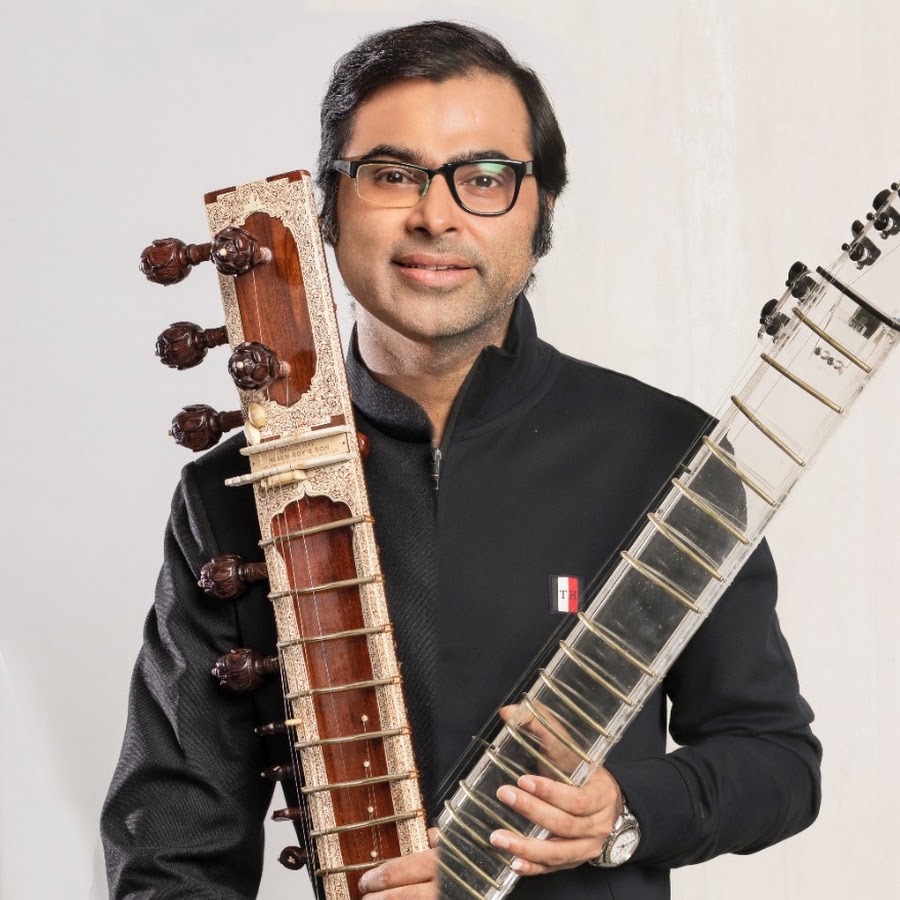
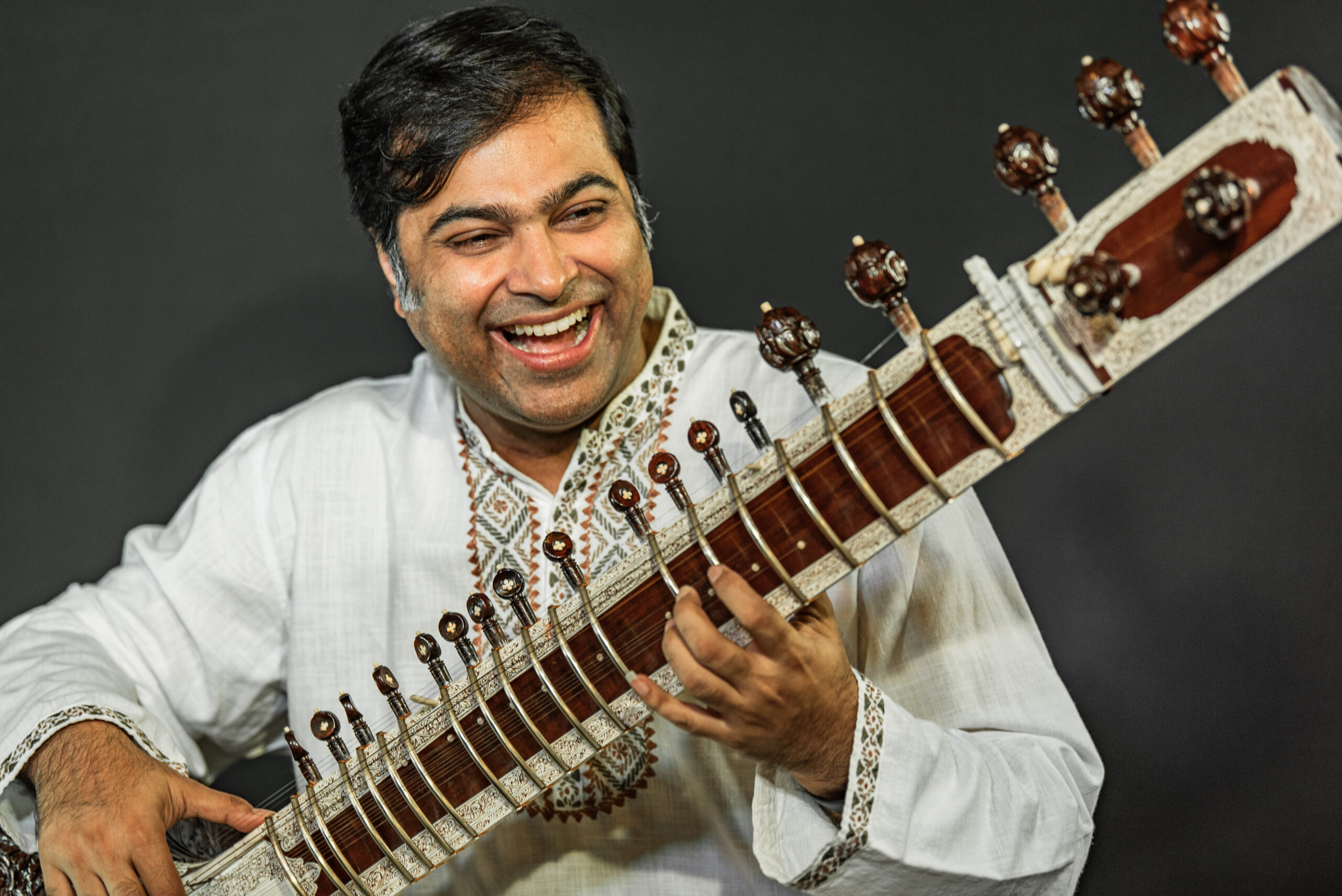
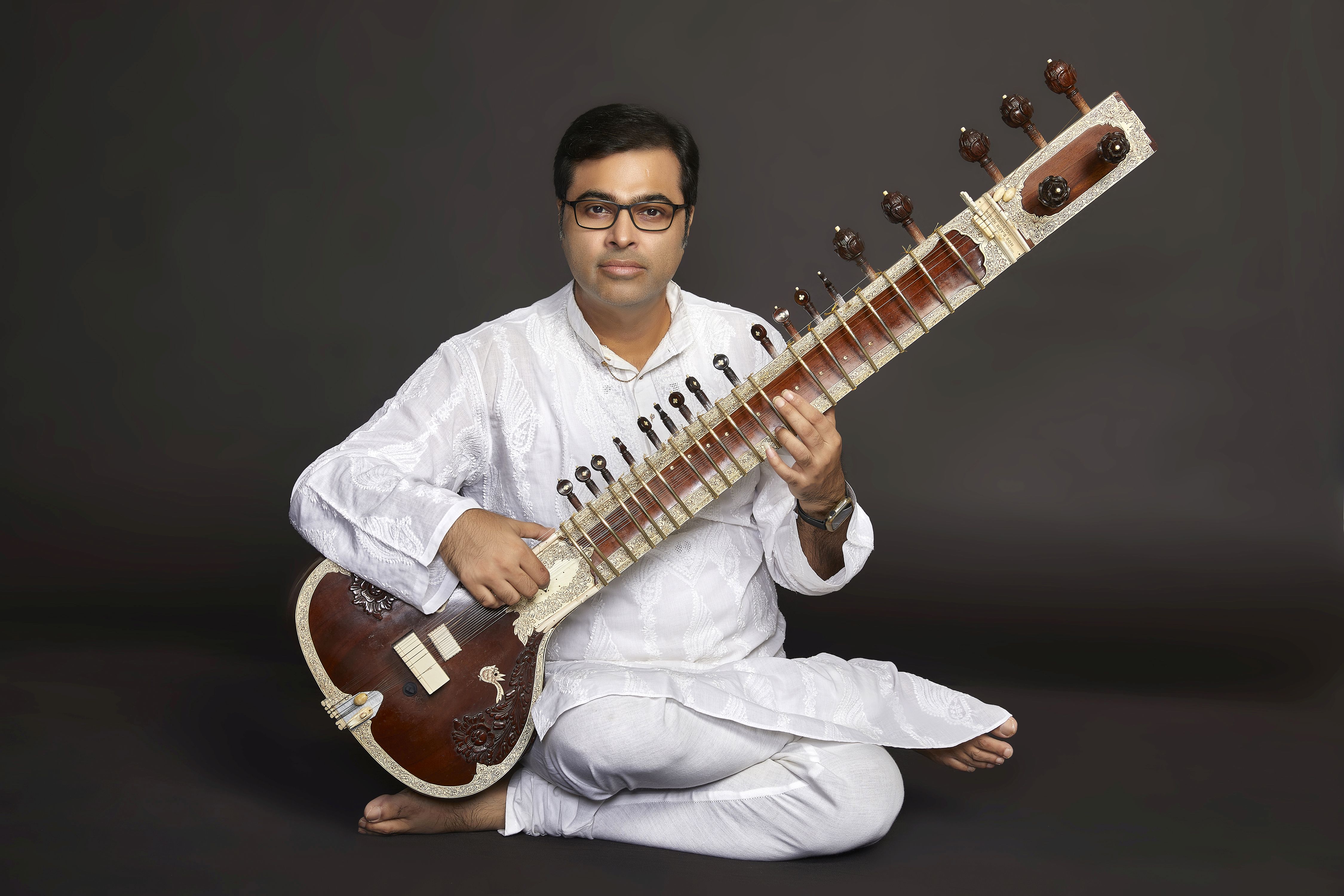
Day 5: Watch a video performance if available—seeing his hand technique and physical engagement with the instrument deepens understanding.

Day 6: Listen to a jugalbandi, focusing on the rhythmic dialogue.

Day 7: Sample a fusion collaboration. Reflect on what carries over from classical performances and what transforms.

By week's end, you won't be an expert, but you'll have developed ears for what makes Chatterjee distinctive: technical mastery in service of emotional storytelling, reverence for tradition coupled with genuine curiosity about what lies beyond it.
Purbayan Chatterjee
AboutPurbayan Chatterjee

Purbayan Chatterjee is a sitar virtuoso who bridges the classical Indian raga tradition with contemporary fusion. He has performed at major festivals including the Sawai Gandharva…

View profileWebsite

Continue Reading

More about Purbayan Chatterjee

View All
Who Is Purbayan Chatterjee? Life, Work, and Legacy
Article

Who Is Purbayan Chatterjee? Life, Work, and Legacy

The Music of Purbayan Chatterjee: Sound, Sacred Texture, and Lineage
Article

The Music of Purbayan Chatterjee: Sound, Sacred Texture, and Lineage

Essential Purbayan Chatterjee Albums: A Listening Guide
Article

Essential Purbayan Chatterjee Albums: A Listening Guide

Keep exploring

Continue your journey

More wisdom and gatherings from across the BrightStar directory.

More Articles

Browse the full library of teachings, interviews, and guides.

Back to all articles →

Teachers & Artists

Explore the lineages, musicians, and guides of the conscious world.

Explore artists →

Find an Event

Kirtan, retreats, sound baths, breathwork, festivals — happening soon.

Browse events →