EnduranceFinder
All Races
Every discipline, every distance
Marathons
26.2 miles of glory
Triathlons
Swim, bike, run
Cycling
Gran fondos & road races
Trail Running
Off-road & mountain races
Ultras
Beyond the marathon distance
Virtual Races
Race from anywhere
Popular Destinations
New YorkBostonChicagoLondonTokyoCape Town
Glossary
Endurance terms & definitions
Elite Athletes
Pro athlete profiles
Training Tips
Plans, workouts & coaching
Race Guides
Course previews & strategy
Gear Reviews
Shoes, bikes & race-day kit
Athlete Stories
Community race reports
Wisdom
Words from endurance legends
AI Discovery
How AI powers your experience
Blog
Latest from EnduranceFinder

“The marathon can humble you.”

— Bill Rodgers

Language
Saved events
All RacesEvery discipline, every distance
Marathons26.2 miles of glory
TriathlonsSwim, bike, run
CyclingGran fondos & road races
Trail RunningOff-road & mountain races
UltrasBeyond the marathon distance
Virtual RacesRace from anywhere
Popular Destinations
New YorkBostonChicagoLondonTokyoCape Town
GlossaryEndurance terms & definitions
Elite AthletesPro athlete profiles
Training TipsPlans, workouts & coaching
Race GuidesCourse previews & strategy
Gear ReviewsShoes, bikes & race-day kit
Athlete StoriesCommunity race reports
WisdomWords from endurance legends
AI DiscoveryHow AI powers your experience
BlogLatest from EnduranceFinder
Log inSign UpWhy EnduranceFinder?
  • Browse All Races
  • Marathons
  • Half Marathons
  • Triathlons
  • Cycling
  • Ultras
  • Trail Running
  • Swimming
  • Obstacle Races
  • All Categories →
  • Boston
  • Chicago
  • New York City
  • San Francisco
  • Los Angeles
  • Denver / Boulder
  • Austin
  • Seattle
  • Berlin
  • London
  • Kona
  • Chamonix
  • Tokyo
  • Amsterdam
  • All Cities →
  • For Race Directors
  • For Timing Companies
  • For Running Clubs
  • For Cycling Organizations
  • For Triathlon Clubs
  • For Trail Race Organizers
  • For Charity Races
  • For OCR & Adventure Races
  • For Swim & Open Water
  • AI Platform
  • Pricing
  • Case Studies
  • Abandoned Cart Recovery
  • Smart Dynamic Pricing
  • Ticket Categories
  • Recurring Events
  • Custom Questions
  • Affiliate Engine
  • Waitlist / Notify
  • Ticket Scanner
  • Embed Widget
  • Event Syndication
  • Integrations
  • All Features →
  • About EnduranceFinder
  • Blog
  • AI Discovery
  • Training Guides
  • Race Guides
  • Help Center
  • Contact Us
  • Careers
  • Press
  • Terms of Service
  • Privacy Policy

Races

  • Browse All Races
  • Marathons
  • Half Marathons
  • Triathlons
  • Cycling
  • Ultras
  • Trail Running
  • Swimming
  • Obstacle Races
  • All Categories →

Destinations

  • Boston
  • Chicago
  • New York City
  • San Francisco
  • Los Angeles
  • Denver / Boulder
  • Austin
  • Seattle
  • Berlin
  • London
  • Kona
  • Chamonix
  • Tokyo
  • Amsterdam
  • All Cities →

For Race directors

  • For Race Directors
  • For Timing Companies
  • For Running Clubs
  • For Cycling Organizations
  • For Triathlon Clubs
  • For Trail Race Organizers
  • For Charity Races
  • For OCR & Adventure Races
  • For Swim & Open Water
  • AI Platform
  • Pricing
  • Case Studies

Features

  • Abandoned Cart Recovery
  • Smart Dynamic Pricing
  • Ticket Categories
  • Recurring Events
  • Custom Questions
  • Affiliate Engine
  • Waitlist / Notify
  • Ticket Scanner
  • Embed Widget
  • Event Syndication
  • Integrations
  • All Features →

Company

  • About EnduranceFinder
  • Blog
  • AI Discovery
  • Training Guides
  • Race Guides
  • Help Center
  • Contact Us
  • Careers
  • Press
  • Terms of Service
  • Privacy Policy
EnduranceFinder
© 2026 EnduranceFinder. All rights reserved.
Back to Robert Peng
Where to Start with Robert Peng: A Beginner's Guide
For Beginners

Where to Start with Robert Peng: A Beginner's Guide

Robert Peng represents something increasingly rare: a lineage-holder who trained under extreme conditions (including a 100-day water fast at age fifteen) yet communicates ancient practices with remarkable accessibility.

Robert Peng
Robert Peng
Jun 18, 2026
3 min read
Read · 7 sections

Where to Start with Robert Peng: A Beginner's Guide

Robert Peng represents something increasingly rare: a lineage-holder who trained under extreme conditions (including a 100-day water fast at age fifteen) yet communicates ancient practices with remarkable accessibility. If you're discovering him for the first time, you're encountering someone who has bridged the hermetic mountain monasteries of Hunan province with Western wellness centers like Omega and Kripalu—and trained over 150,000 students in the process.

The Best Entry Point

Start with his workshops at the Omega Institute or Kripalu Center. These introductory weekends offer the essential foundation: you'll learn basic qigong forms, experience guided meditation sessions, and—critically—receive in-person adjustments that clarify what these practices actually feel like in your body. Peng's teaching style combines rigorous technique with warmth, and the residential format gives you enough repetition to distinguish genuine energetic shifts from wishful thinking.

If attending a workshop isn't immediately feasible, seek out any recorded material from these venues. The institutional context matters—these aren't YouTube fragments but structured curricula designed to build competency over days rather than minutes.

What Comes Next

After your initial exposure, move to teacher training materials or advanced workshops. Even if you don't intend to teach, these programs reveal the architecture beneath the practices. Peng's training methodology emphasizes precision: breath counts, specific tongue positions, exact visualization sequences. This level of detail separates transformative practice from vague "energy work."

Then explore his retreat offerings, particularly those at Esalen. The multi-day intensive format allows deeper states to emerge. Qigong operates cumulatively—effects that seem subtle on day one become unmistakable by day five.

Finally, investigate his connection to Taoist and Vedanta philosophy. Peng's teaching integrates these traditions coherently. Understanding this theoretical framework prevents practice from becoming merely therapeutic stretching.

First Encounter Expectations

Your first session will likely feel surprisingly simple. Peng teaches foundational forms with repetitive, swaying movements and coordinated breathing. You might feel warmth in your hands, gentle tingling, or emotional release—or nothing obvious at all. The profundity emerges through consistency, not immediate fireworks.

His voice in guided meditations carries a quality of unhurried certainty. He's not performing spirituality; he's demonstrating practices he's lived inside for decades. This authenticity reads clearly even through recordings.

Common Misunderstandings

Beginners often mistake qigong for gentle exercise or relaxation technique. It's neither. These are sophisticated practices for cultivating and directing qi (life force energy)—a concept that sounds abstract until you've accumulated enough practice hours to feel it concretely.

Another error: treating Peng's accessibility as evidence of simplicity. The practices are simple to learn but demand genuine discipline to master. His story includes a 100-day isolation fast at fifteen and apprenticeship under a legendary monk. The ease of his teaching conceals enormous rigor.

Finally, don't confuse spiritual awakening (which Peng experienced) with quick fixes. He offers practices that work incrementally, not magic bullets.

When This Work Lands Hardest

Peng's teaching finds people during transitions: career upheavals, health crises, the specific disillusionment of middle age when external achievements stop satisfying. If you're sensing that rushing everywhere has become its own trap, or that your body has become merely a vehicle you ignore, this work will resonate.

It also lands powerfully when you're ready to commit to something that doesn't produce immediate, measurable results. Qigong requires faith in process over outcome—a countercultural stance that attracts people tired of optimization culture.

Your One-Week Starter Plan

Days 1-2: Attend a workshop or find a recorded introductory session. Learn one basic form—practice it 20 minutes each morning.

Days 3-4: Add evening meditation using his guided recordings. Continue the morning form. Notice physical sensations without judgment.

Day 5: Practice the form three times throughout the day. Journal about what you're experiencing—or not experiencing.

Days 6-7: Maintain morning practice. Research upcoming retreats or teacher trainings. Qigong reveals itself through commitment, not sampling.

The key is simple repetition. Let the practices accumulate in your nervous system before deciding anything.
Robert Peng
AboutRobert Peng

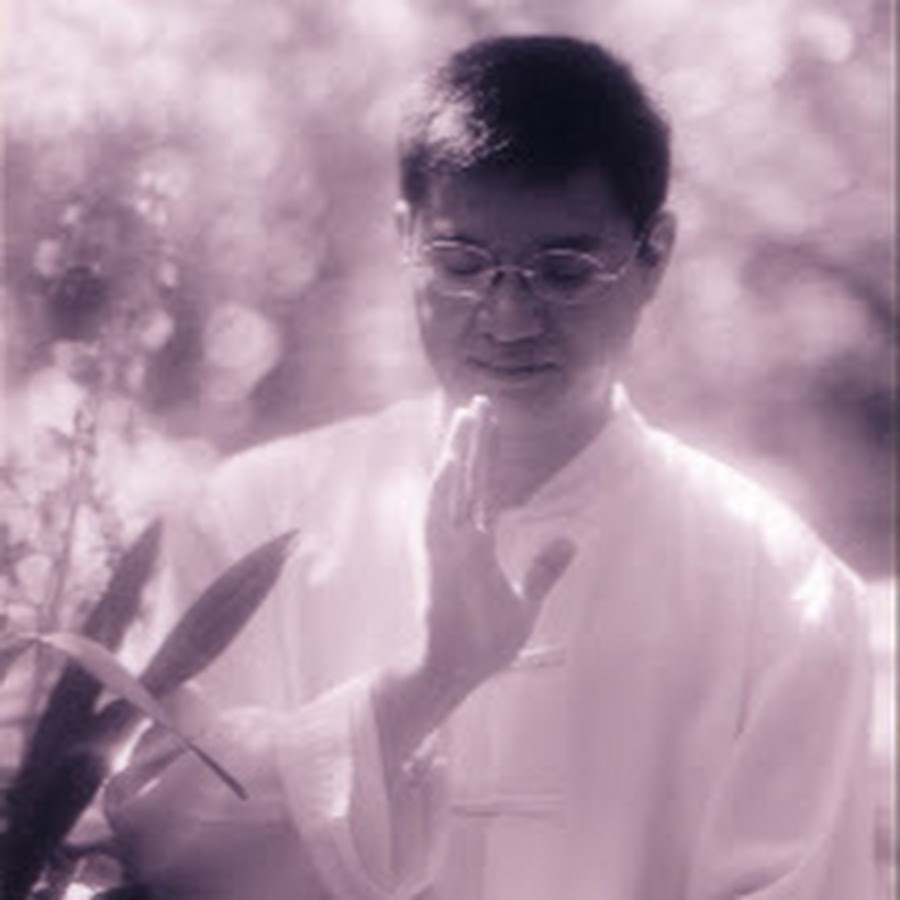
World-renowned qigong master and healer trained under legendary monk Xiao Yao in Hunan, China, who has taught over 150,000 students across three continents and been recognized as a…

View profileWebsite

Continue Reading

More about Robert Peng

View All
Who Is Robert Peng? Life, Work, and Legacy
Article

Who Is Robert Peng? Life, Work, and Legacy

Robert Peng's Teaching: Approach, Method, and Voice
Article

Robert Peng's Teaching: Approach, Method, and Voice

Keep exploring

Continue your journey

More wisdom and gatherings from across the BrightStar directory.

More Articles

Browse the full library of teachings, interviews, and guides.

Back to all articles →

Teachers & Artists

Explore the lineages, musicians, and guides of the conscious world.

Explore artists →

Find an Event

Kirtan, retreats, sound baths, breathwork, festivals — happening soon.

Browse events →