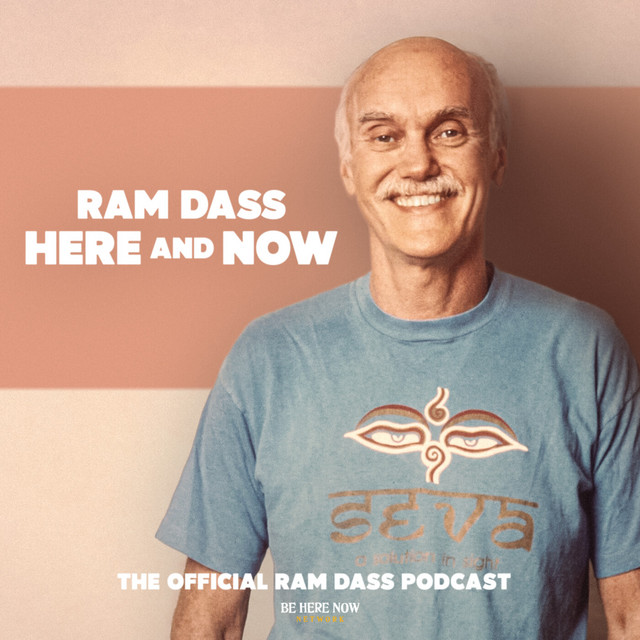

In a world saturated with spiritual options and self-help methodologies, many seekers find themselves overwhelmed by the sheer number of paths available. Which practice should you choose? How do you know if you're on the right track? In a powerful talk from the 1980s, spiritual teacher Ram Dass offers profound guidance on this universal dilemma, exploring the rich tapestry of yogic practices and how to discover which one calls to your soul.
The Journey Begins with Self-Discovery
Ram Dass opens his exploration with a fundamental truth that forms the cornerstone of all spiritual work: "It's only when we realize we aren't who we think we are that the journey of awakening begins." This moment of recognition—when our carefully constructed identities begin to crack and we glimpse something deeper—marks the threshold between ordinary living and conscious awakening.
This realization can be both liberating and terrifying. When the familiar structures of who we believe ourselves to be start dissolving, we need practical methods to navigate this transformation. Fortunately, as Ram Dass explains, we don't have to walk this path alone or without guidance. The ancient tradition of yoga offers multiple approaches, each designed to work with different aspects of human nature and temperament.
Five Paths to the One
Rather than presenting a one-size-fits-all approach, Ram Dass illuminates five distinct forms of yoga, each offering a unique doorway to awakening:
Hatha Yoga: The Path of Energy
Most familiar to Western practitioners, hatha yoga works directly with the physical body and energy systems. Through postures, breathing techniques, and energy practices, practitioners learn to purify and balance their vital forces. This path is particularly suited to those who are naturally attuned to bodily sensations and prefer tangible, experiential approaches to spiritual development.
Dhyan Yoga: The Way of Meditation
The meditative path involves sustained attention and awareness practices. Whether through mindfulness, concentration, or contemplative techniques, dhyan yoga cultivates the capacity to observe the mind's movements and rest in deeper states of consciousness. This approach appeals to those drawn to introspection and mental discipline.
Jnana Yoga: The Path of Wisdom
For the intellectually inclined, jnana yoga offers a rigorous path of inquiry and understanding. Through study, contemplation, and philosophical investigation, practitioners use the mind itself as a tool for transcending mental limitations. This path involves deep questioning of the nature of reality and the systematic dismantling of false beliefs about the self.
Bhakti Yoga: The Way of Devotion
The heart-centered path of bhakti emphasizes love, surrender, and devotion. Whether directed toward a personal deity, guru, or the divine in all beings, this approach transforms ordinary emotions into vehicles for transcendence. Ram Dass himself embodied this path through his relationship with his guru, Neem Karoli Baba (Maharaj-ji), and his teachings on unconditional love.
Tantric Yoga: Sacred Engagement with the Senses
Often misunderstood in popular culture, tantric yoga is actually a sophisticated approach that works directly with sensory experience rather than trying to transcend it. This path sees the material world and the senses as gateways to the sacred, requiring practitioners to develop extraordinary awareness and presence in their engagement with life.
The "Chicken Soup Eclectic" Approach
One of Ram Dass's most endearing qualities was his honest acknowledgment of his own eclectic approach to spiritual practice. Rather than adhering rigidly to a single path, he describes himself as a "chicken soup eclectic," sampling from various traditions at what he humbly calls "a kind of superficial level."
This admission offers tremendous relief to modern practitioners who often worry about being "spiritual dilettantes." Ram Dass validates the reality that some people are naturally drawn to multiple approaches, and this too is a legitimate spiritual path. The key is not purity of practice but sincerity of heart and genuine engagement with whatever methods call to you.
Discerning Your Path
Perhaps the most practical wisdom Ram Dass offers is his guidance on choosing a spiritual approach: "Which yoga is appropriate for any human being, only that human being can figure out. And you can only figure it out by trying and testing and looking and quieting your heart and opening."
This process of discernment requires both experimentation and introspection. It's not enough to intellectually analyze different approaches; we must engage with them experientially and then honestly assess our responses. Some practices will feel natural and energizing, while others may feel forced or draining. The key is developing the sensitivity to notice these subtle differences.
Beyond Spiritual Hierarchy
Ram Dass emphasizes that these different approaches are "not better or worse" but simply "different strategies." This perspective liberates practitioners from the common trap of spiritual comparison and competition. There's no hierarchy among the paths—what matters is finding the approach that genuinely facilitates your awakening.
Practical Wisdom for Modern Seekers
For contemporary spiritual seekers navigating an overwhelming marketplace of practices and teachers, Ram Dass's teachings offer several key insights:
First, trust your inner guidance over external authorities when choosing practices. Second, don't be afraid to experiment with different approaches before committing deeply to one. Third, remember that the goal of all practices is the same—coming into unity with our true nature. Finally, approach your spiritual journey with both seriousness and a sense of humor about your own limitations and preferences.
In our current era of spiritual materialism and quick-fix mentalities, Ram Dass's wisdom reminds us that authentic spiritual development requires patience, honesty, and a willingness to engage deeply with practices that genuinely resonate with our hearts. The path to awakening may look different for each person, but the destination—the recognition of our true nature—remains timelessly the same.