EnduranceFinder
All Races
Every discipline, every distance
Marathons
26.2 miles of glory
Triathlons
Swim, bike, run
Cycling
Gran fondos & road races
Trail Running
Off-road & mountain races
Ultras
Beyond the marathon distance
Virtual Races
Race from anywhere
Popular Destinations
New YorkBostonChicagoLondonTokyoCape Town
Glossary
Endurance terms & definitions
Elite Athletes
Pro athlete profiles
Training Tips
Plans, workouts & coaching
Race Guides
Course previews & strategy
Gear Reviews
Shoes, bikes & race-day kit
Athlete Stories
Community race reports
Wisdom
Words from endurance legends
AI Discovery
How AI powers your experience
Blog
Latest from EnduranceFinder

“I tell our runners to divide the race into thirds. Run the first part with your head, the middle part with your personality, and the last part with your heart.”

— Mike Fanelli

All RacesEvery discipline, every distance
Marathons26.2 miles of glory
TriathlonsSwim, bike, run
CyclingGran fondos & road races
Trail RunningOff-road & mountain races
UltrasBeyond the marathon distance
Virtual RacesRace from anywhere
Popular Destinations
New YorkBostonChicagoLondonTokyoCape Town
GlossaryEndurance terms & definitions
Elite AthletesPro athlete profiles
Training TipsPlans, workouts & coaching
Race GuidesCourse previews & strategy
Gear ReviewsShoes, bikes & race-day kit
Athlete StoriesCommunity race reports
WisdomWords from endurance legends
AI DiscoveryHow AI powers your experience
BlogLatest from EnduranceFinder
Iniciar sesiónRegistrarseWhy EnduranceFinder?
  • Browse All Races
  • Marathons
  • Half Marathons
  • Triathlons
  • Cycling
  • Ultras
  • Trail Running
  • Swimming
  • Obstacle Races
  • All Categories →
  • Boston
  • Chicago
  • New York City
  • San Francisco
  • Los Angeles
  • Denver / Boulder
  • Austin
  • Seattle
  • Berlin
  • London
  • Todas las Ciudades →
  • For Race Directors
  • For Timing Companies
  • For Running Clubs
  • For Cycling Organizations
  • For Triathlon Clubs
  • For Trail Race Organizers
  • For Charity Races
  • For OCR & Adventure Races
  • For Swim & Open Water
  • AI Platform
  • Pricing
  • Case Studies
  • Recuperación de Carritos
  • Precios Dinámicos Inteligentes
  • Categorías de Entradas
  • Eventos Recurrentes
  • Custom Questions
  • Motor de Afiliados
  • Lista de Espera / Notificar
  • Escáner de Entradas
  • Widget Embebido
  • Event Syndication
  • Integrations
  • Todas las Características →
  • About EnduranceFinder
  • Blog
  • AI Discovery
  • Training Guides
  • Race Guides
  • Help Center
  • Contact Us
  • Careers
  • Press
  • Términos de Servicio
  • Política de Privacidad

Races

  • Browse All Races
  • Marathons
  • Half Marathons
  • Triathlons
  • Cycling
  • Ultras
  • Trail Running
  • Swimming
  • Obstacle Races
  • All Categories →

Destinos

  • Boston
  • Chicago
  • New York City
  • San Francisco
  • Los Angeles
  • Denver / Boulder
  • Austin
  • Seattle
  • Berlin
  • London
  • Todas las Ciudades →

Para Race directors

  • For Race Directors
  • For Timing Companies
  • For Running Clubs
  • For Cycling Organizations
  • For Triathlon Clubs
  • For Trail Race Organizers
  • For Charity Races
  • For OCR & Adventure Races
  • For Swim & Open Water
  • AI Platform
  • Pricing
  • Case Studies

Características

  • Recuperación de Carritos
  • Precios Dinámicos Inteligentes
  • Categorías de Entradas
  • Eventos Recurrentes
  • Custom Questions
  • Motor de Afiliados
  • Lista de Espera / Notificar
  • Escáner de Entradas
  • Widget Embebido
  • Event Syndication
  • Integrations
  • Todas las Características →

Empresa

  • About EnduranceFinder
  • Blog
  • AI Discovery
  • Training Guides
  • Race Guides
  • Help Center
  • Contact Us
  • Careers
  • Press
  • Términos de Servicio
  • Política de Privacidad
EnduranceFinder
© 2026 EnduranceFinder. Todos los derechos reservados.
Inspiration

The Deep Bond Between AbdulKalam and the Dalai Lama

Dalai Lama
Dalai Lama
Jun 21, 2026
6 min read
Watch · 2

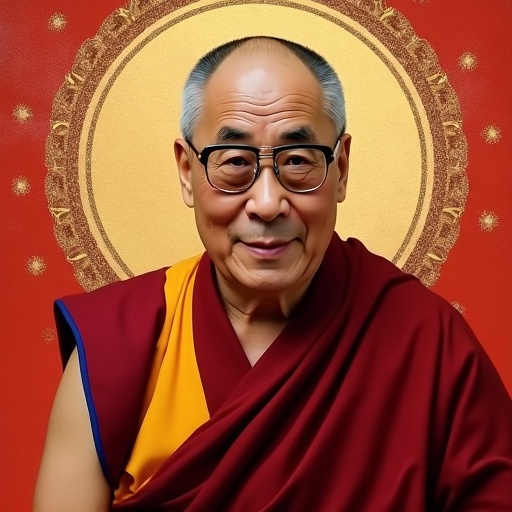
TLDR: This moment captures a rare public meeting between Dr. A.P.J. Abdul Kalam, India's former president and renowned scientist, and the Dalai Lama, the spiritual leader and global ambassador for peace and compassion. Their interaction reflected something beyond titles and accolades—a shared commitment to humanity, wisdom, and the integration of science with spiritual values. The encounter demonstrated how two figures from seemingly different worlds—one rooted in scientific inquiry and nation-building, the other in Buddhist philosophy and contemplative practice—can meet as equals in their devotion to human welfare and universal compassion.

Read · 6 sections

Who Were These Two Great Souls?

Dr. A.P.J. Abdul Kalam and the Dalai Lama represented two distinct yet complementary dimensions of human excellence. Kalam rose to prominence as India's chief scientist, architect of the nation's missile and space programs, and later served as the 11th President of India. His life embodied the promise of science, technology, and education as tools for national development and human progress. Beyond his technical achievements, Kalam was beloved for his humility, his vision for youth empowerment, and his belief that India could become a developed nation through knowledge and innovation.

The Dalai Lama, conversely, has spent his life as the spiritual leader of Tibetan Buddhism and a global voice for peace, kindness, and non-violence. His teachings emphasize compassion, emotional intelligence, and the interconnectedness of all sentient beings. He has been recognized worldwide for his advocacy for human rights, his dialogue with science, and his belief that spirituality and reason are not opposites but partners in understanding the human condition.

When these two figures came together on stage, the audience recognized that they were witnessing a convergence of knowledge and spirituality.

What Did Their Bond Reveal About Respect and Humility?

The moment between Kalam and the Dalai Lama was powerful not primarily for what was said, but for what it demonstrated about genuine respect. The Dalai Lama's description of Kalam—as a "great scientist," a "great friend," and a "wonderful person"—came from someone who had met world leaders, scientists, and philosophers. That he spoke of Kalam in such personal and warm terms revealed the absence of ego that both men shared.

True respect, as evidenced in this exchange, is not transactional. It does not depend on being in the same field or sharing identical worldviews. Instead, it flows from recognizing excellence and sincerity in another person's life work. Kalam's humility—despite his scientific achievements and role as president—created space for the Dalai Lama's spiritual authority to be acknowledged. Similarly, the Dalai Lama's willingness to honor Kalam as both scientist and friend demonstrated that spiritual wisdom is not diminished by celebrating scientific achievement.

This mutual recognition challenges a false dichotomy that often appears in public discourse: the idea that spirituality and science are inherently at odds. Instead, their bond illustrated that both pursuits stem from the same source—a deep commitment to understanding reality and alleviating human suffering.

How Do Knowledge and Spirituality Complement Each Other?

Kalam spent his career advancing India's capabilities in science, technology, and aerospace. His vision was not merely technological; it was humanitarian. He believed education and scientific literacy could lift populations out of poverty and empower nations. His famous vision of India becoming a developed nation by 2020 was grounded in the practical application of knowledge.

The Dalai Lama's work, while rooted in Buddhist philosophy and contemplative practice, has increasingly engaged with modern science. He has participated in numerous dialogues with neuroscientists, psychologists, and physicists, recognizing that scientific rigor and spiritual inquiry can illuminate different aspects of human experience. His teachings on compassion, for instance, have been studied through the lens of neuroscience and emotional intelligence.

Where these two paths converge is in their ultimate aim: human flourishing. Kalam believed that scientific knowledge must serve humanity's welfare. The Dalai Lama teaches that spiritual awakening naturally leads to compassion and ethical action in the world. Neither was purely abstract; both were grounded in the conviction that wisdom must translate into benefit for living beings.

What Values Did They Share?

The description of this moment emphasizes several core values that both men embodied:

  • Humility: Despite their global prominence, both remained accessible, warm, and focused on service rather than status.
  • Commitment to humanity: Whether through scientific innovation or spiritual teaching, both dedicated their lives to benefit others.
  • Vision beyond borders: Kalam's work contributed to India's development; the Dalai Lama's message of peace is universal. Both transcended narrow nationalism.
  • Integration of wisdom and action: Neither was content with abstract philosophy or pure theory. Both insisted that insight must lead to real-world benefit.
  • Respect for all beings: Kalam's inclusive vision of national development and the Dalai Lama's principle of universal compassion both reject hierarchies based on birth, religion, or status.

Why Do Such Moments Matter?

In an era often characterized by polarization—between science and spirituality, Eastern and Western thought, religious and secular worldviews—this moment between two global figures offered a counterexample. It demonstrated that individuals of different traditions, professions, and backgrounds can recognize excellence in one another, collaborate on shared aims, and model a higher standard of public discourse.

The audience's awe at witnessing this exchange reflected something deeper than celebrity admiration. It reflected the hunger many people feel to see evidence that greatness, humility, and unity are possible. When two world-respected figures embrace as friends, they implicitly communicate to viewers: the divisions we assume are fundamental may actually be superficial.

Moreover, such moments preserve values in the historical record. Long after specific policies or achievements are debated, the image of Kalam and the Dalai Lama together will remind future generations that knowledge and compassion, science and wisdom, innovation and peace, are not competing goods—they are aspects of a fully developed human being and a just society.

Where to Go From Here

This encounter invites reflection on several fronts. First, consider your own relationship to knowledge and spirituality. Do you see them as separate domains, or as complementary ways of understanding reality? How might integrating both deepen your life?

Second, examine the quality of your respect for others. True respect, as modeled here, is not performative or conditional. It asks: Can I recognize genuine excellence and goodness in people whose paths differ from my own? Can I honor their contributions without needing them to think exactly as I do?

Finally, reflect on the role models you follow and the values they embody. Kalam and the Dalai Lama were not perfect figures, but they shared an orientation toward service, growth, and the welfare of others. In a world of competing ideologies and fragmented attention, their example suggests that the most powerful leadership comes not from domination but from a demonstrated commitment to human flourishing that transcends borders, beliefs, and disciplines.

Transcript

[0:15] Respected

[0:16] spiritual leaders and former president

[0:20] of great nation himself, I always

[0:23] consider

[0:24] great scientist and of course my great

[0:27] friend.

[0:29] Wonderful person.

[0:30] >> [music]

Dalai Lama
AuthorDalai Lama

Spiritual leader of Tibetan Buddhism and Nobel Peace Prize laureate (1989). Born Lhamo Thondup in 1935, recognized at age two as the reincarnation of the 13th Dalai Lama, he fled i…

View profileWebsite
Explore Topics
Kalam-dalai-lamaRespect-humilityKnowledge-spiritualityScience-wisdomCompassion

Got Questions?

Frequently Asked Questions

While the transcript does not detail extensive prior relationship, the Dalai Lama's warm words—calling Kalam a "great scientist," "great friend," and "wonderful person"—demonstrate genuine mutual respect between two global figures. Their bond reflected shared values of compassion, wisdom, and service to humanity rather than a formally documented partnership.
Kalam believed that scientific knowledge and technological advancement must serve humanity's welfare. His vision of India's development by 2020 was rooted in the conviction that education and innovation could lift people out of poverty and empower nations. His scientific career was always grounded in a humanitarian purpose.
The Dalai Lama has engaged extensively with modern science, participating in dialogues with neuroscientists and psychologists. He teaches that scientific rigor and spiritual inquiry are complementary; both illuminate different aspects of human experience and can deepen our understanding of compassion, consciousness, and flourishing.
In an era of polarization between science and spirituality, their meeting demonstrated that individuals from different traditions and professions can genuinely respect each other and recognize excellence across boundaries. It modeled a higher standard of public discourse and affirmed that knowledge and compassion are complementary, not competing values.
Both embodied humility, commitment to humanity beyond borders, integration of wisdom with action, and respect for all beings. Neither was content with abstract philosophy or pure theory; both insisted that insight must translate into real-world benefit and the welfare of others.
Consider whether you view knowledge and spirituality as separate or complementary. Practice recognizing excellence in people whose paths differ from your own, without needing them to think as you do. Evaluate whether your own pursuits and values are oriented toward service and human flourishing, as theirs were.

Continue Reading

More from Dalai

View All
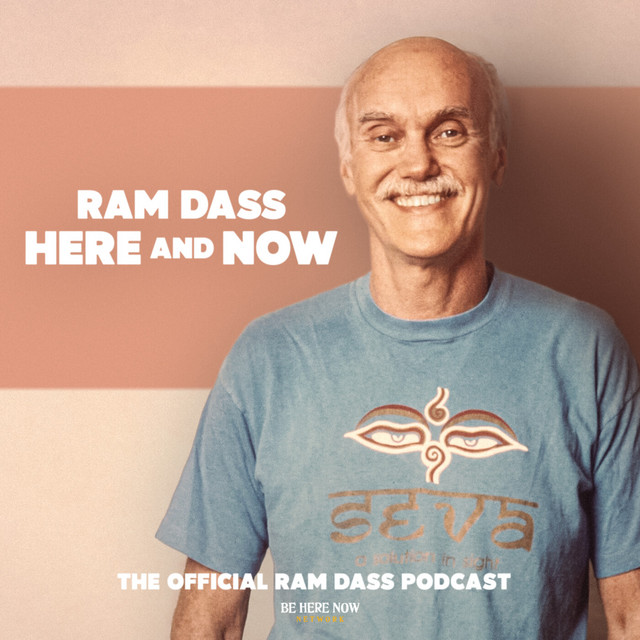
The Warrior's Heart: How Ram Dass Revealed the True Nature of Compassion
Training

The Warrior's Heart: How Ram Dass Revealed the True Nature of Compassion

In a profound 1983 lecture, spiritual teacher Ram Dass unveils why true compassion isn't about fixing suffering—it's about embracing darknes…

1 min read
Dancing Between Detachment and Love: Ram Dass on Spiritual Balance in Times of Crisis
Training

Dancing Between Detachment and Love: Ram Dass on Spiritual Balance in Times of Crisis

How do we remain spiritually centered while fully engaged with the world's suffering? Ram Dass explores the delicate dance between emptiness…

1 min read
The 10 Best Upcoming Endurance Races to Register for in Spring 2026
Training

The 10 Best Upcoming Endurance Races to Register for in Spring 2026

Discover the top 10 endurance races worth registering for this spring 2026, featuring obstacle challenges, expert insights, and complete rac…

1 min read
Trail Running vs Road Racing vs Triathlon: How to Choose Your Endurance Discipline
Race-guides

Trail Running vs Road Racing vs Triathlon: How to Choose Your Endurance Discipline

Trail running, road racing, or triathlon? Discover which endurance discipline matches your goals, personality, and lifestyle with this compr…

1 min read

Keep exploring

Continue your journey

More wisdom and gatherings from across the BrightStar directory.

More Articles

Browse the full library of teachings, interviews, and guides.

Back to all articles →

Teachers & Artists

Explore the lineages, musicians, and guides of the conscious world.

Explore artists →

Find an Event

Kirtan, retreats, sound baths, breathwork, festivals — happening soon.

Browse events →
Never miss a raceCreate Free Account
Organize a race?Try the Demo